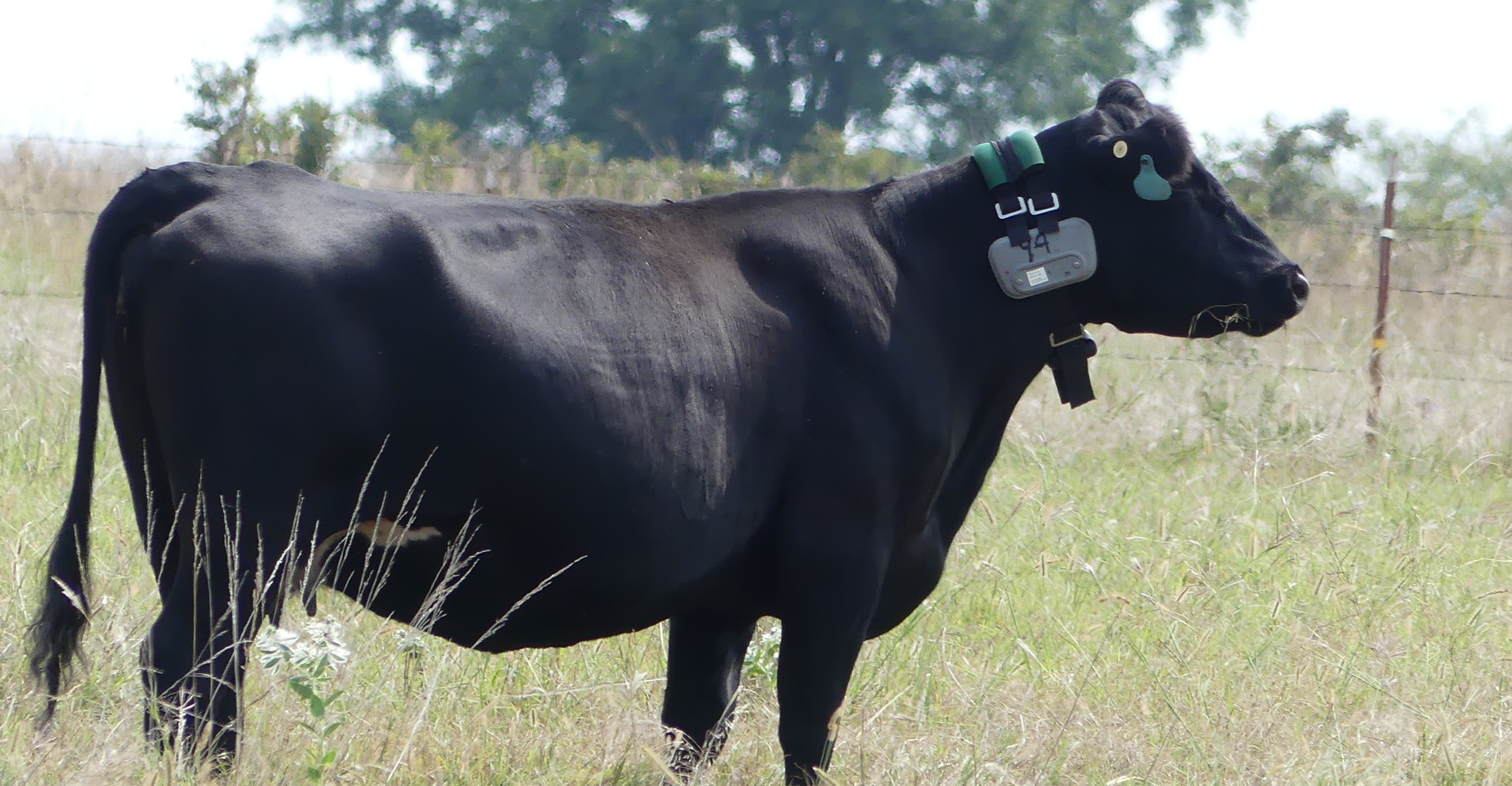
Victoria is preparing to adopt virtual fencing technology for cattle, bringing the state in line with Tasmania, Queensland and Western Australia. Under new regulations announced by Agriculture Minister Ros Spence, Victorian farmers will be able to implement GPS enabled collar systems from February next year, marking a major step forward in digital livestock management.
Virtual fencing uses a combination of GPS positioning, audio cues and mild electrical pulses to guide cattle within designated digital boundaries. Animals learn to move away from the perimeter when prompted, reducing the need for physical strip grazing fences and enabling more flexible pasture management.
~ Why Virtual Fencing Matters for Victoria’s Agriculture Sector ~
Virtual fencing has the potential to deliver significant benefits across livestock and dairy operations, including:
-
Reduced labour demands by removing the need for constant fence movement and herd control
-
Improved pasture utilisation, allowing farmers to optimise grazing areas
-
Enhanced flexibility in farm planning and rotational grazing
-
Better integration of herd movement data for operational decision-making
Dairy and beef producers in other states have already reported strong productivity improvements, with many noting substantial time savings and more efficient grazing management.
~ Regulations and Welfare Safeguards ~
Victoria’s framework outlines clear conditions to ensure safe and ethical use:
Farmers must not use virtual fencing on:
-
Animals under 6 months of age
-
Species other than cattle
-
Animals not already contained within a physical boundary
Farmers must ensure:
-
Virtual boundaries allow animals to retreat without repeat stimuli
-
Any boundary changes occur gradually
-
Approved equipment is used and regularly checked
-
Operators complete manufacturer training
These rules aim to maintain a balance between innovation and animal welfare, addressing concerns previously raised by groups such as the RSPCA regarding the use of electrical stimuli.
~ Technology Providers and Market Rollout ~
Two main companies currently lead virtual fencing in Australia:
-
Gallagher eShepherd, developed in partnership with CSIRO
-
Halter, a New Zealand-based agritech provider
Both systems are already in use across several Australian states. Trials conducted at Victoria’s Ellinbank SmartFarm in Gippsland (2024–2025) found that cows adapted well to the technology, with no adverse effects on milk production.
From this week, manufacturers can apply to Agriculture Victoria for system approval, with the first certifications expected in early 2026.
~ What This Means for Workforce Demand ~
As technology adoption grows, farms may shift how they use labour. Virtual fencing can:
-
Reduce the need for manual herd movement
-
Reallocate labour toward higher-value farm tasks
-
Increase demand for workers skilled in digital agriculture and equipment management
For producers adopting advanced systems, dependable labour remains essential for general farm operations.
~ How All Seasons Workforce Australia Supports Evolving Agricultural Operations ~
All Seasons Workforce Australia (ASWA) assists farms and agribusinesses as they transition to more efficient systems by providing:
-
Skilled and unskilled labour for livestock, dairy and mixed operations
-
Workforce planning & mobilisation
-
Flexible staffing solutions during peak times
As the sector modernises, All Seasons Workforce Australia is ready to support producers with reliable & compliant staffing to maintain productivity and operational efficiency.
Victoria’s approval of virtual fencing marks a significant step forward for livestock management across the state. With strong regulatory safeguards, proven technology and increasing industry demand, virtual fencing promises to boost productivity and support modern, efficient farming practices.
As farms adopt this new technology, ASWA will continue to partner with producers across Australia to deliver dependable labour solutions for both traditional and technology-driven operations.