June 24, 2024 • ALL SEASONS WORKFORCE AUSTRALIA

While the state’s graziers have enjoyed the above-average rainfall, many in the horticulture sector, especially strawberry producers in South East Queensland, have suffered as a result. The excessively rainy summer months have significantly postponed the Queensland strawberry period for the majority of growers, according to Mandy and Adrian Schultz of LuvaBerry Farm in Wamuran. According to Ms. Schultz, the damp weather prevented many strawberry producers from preparing plant beds, which resulted in the fruit arriving much later than typical. At LuvaBerry, planting was postponed until April 4 this year despite generally taking place on March 17.
Some of the farmers who planted after the six-week period of heavy rain, he added, “missed much of that period, and they seem to be doing okay.” In addition to the excessive rain, the cold and gloomy weather also contributed to problems with the strawberries, including damage, disease, and a general lack of fruit. According to Ms. Schultz, they were only generating half as many strawberries as they were at this time last year, therefore they only needed half as many packers as typical during the “first flush” of fruit.
With activities like “pick your own” and “farmer for a day,” as well as tastings, tours, and the “farmgate online” programme that allowed clients to continue buy farm-fresh fruit in a safe way during the COVID pandemic, agritourism has emerged as a pillar of the Schultz’s business. The farm generally has high activity during the July school holidays, but this year’s opening was postponed due to a scarcity of fruit. The worst thing you can do is open without having the fruit available to pick, but we’ve received a lot of calls from people who want to attend. stated Ms. Schultz.
This year, LuvaBerry took part in the Caboolture Festival once more, but due to a later and smaller crop, they were only open for one morning and could only accommodate 100 visitors as opposed to the normal 400. According to Ms. Schultz, “on any given weekend last year, we would have anything between 300 to 500 individuals come through.” You are welcome to snap pictures, stay for a picnic, browse our selection of goods, participate in food tastings, and enjoy farm tours in the well-kept, chemical-free, and lovingly tended fields. Despite the slower start, the Schultzes are eager to reopen their farm so that visitors may pick strawberries and sample a variety of their goods, including a new strawberry honey that they have developed collaboration with Hum Honey Sunshine Coast.
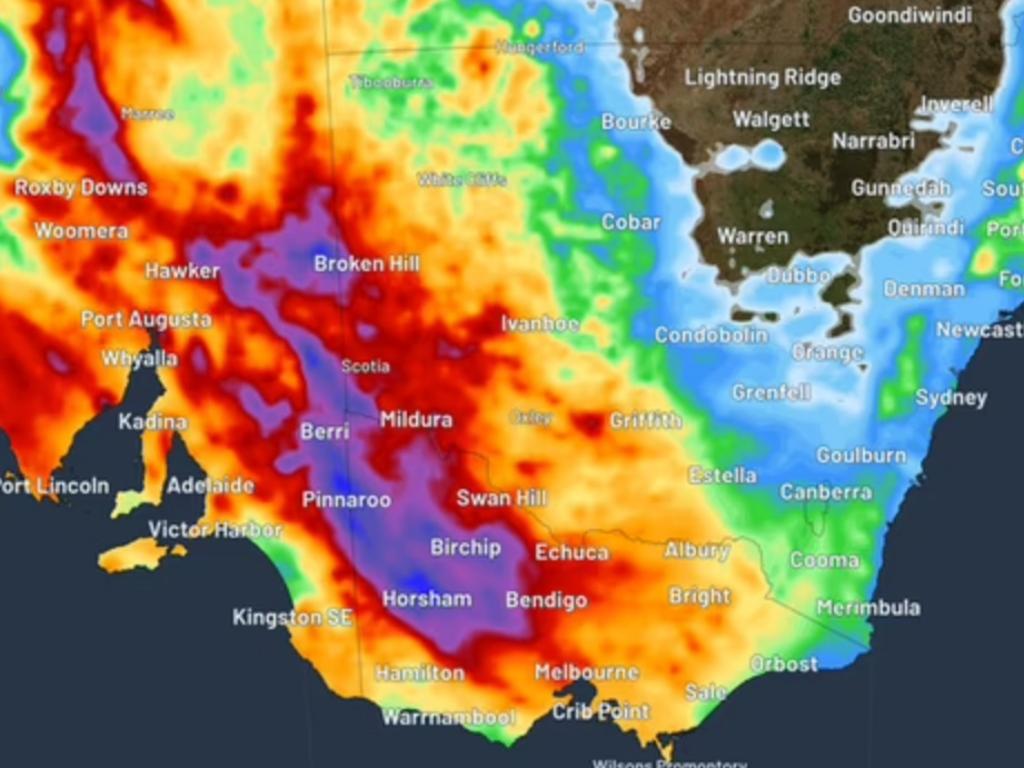
After months of dry conditions across much of Victoria and parts of southern New South Wales and South Australia, late-February and early-March rainfall delivered a dramatic change in seasonal conditions for many farming regions. For some growers, the rain marked the first meaningful break in up to seven months, bringing renewed optimism for the upcoming […]
Read More →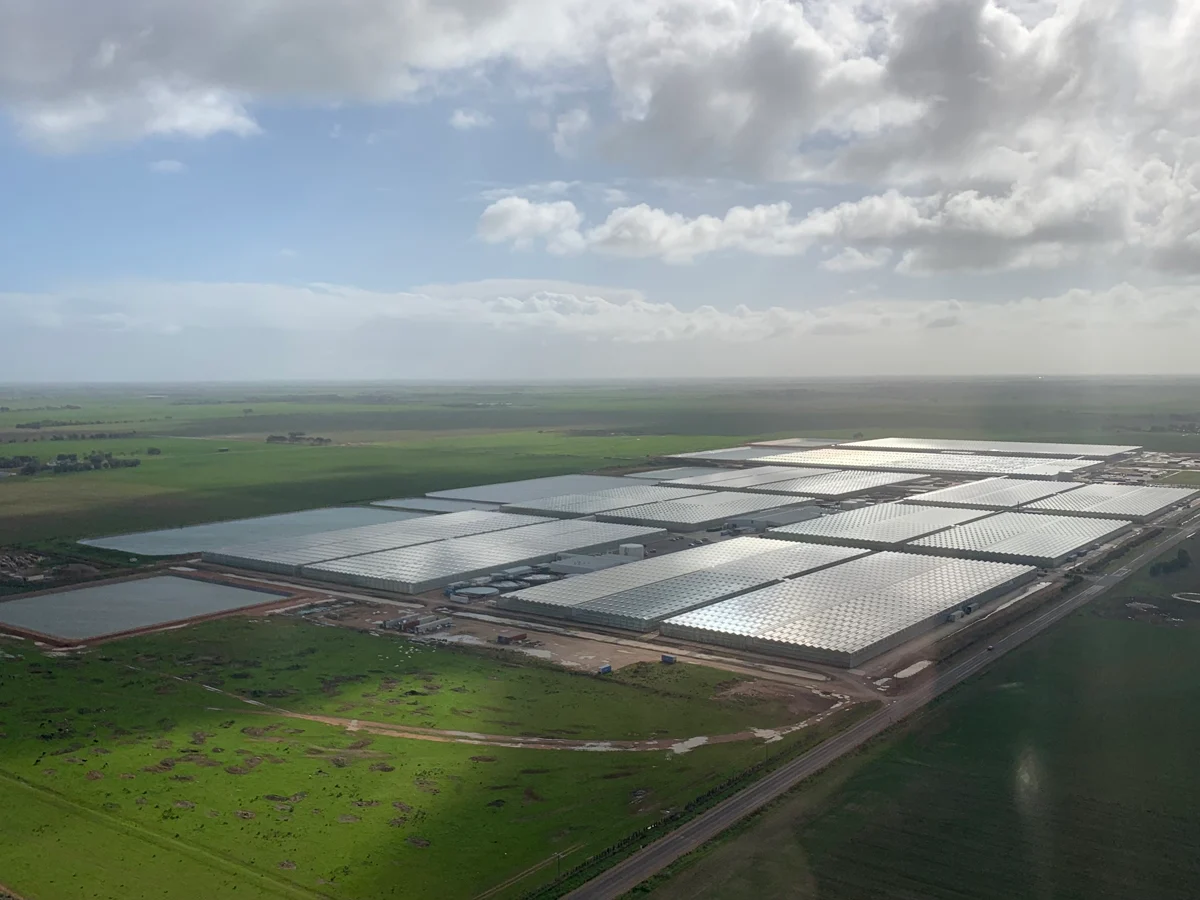
Australia’s protected cropping sector has reached another major milestone, with a $168 million acquisition of the country’s largest hydroponic glasshouse facility at Two Wells, South Australia. The purchase, led by Centuria Capital, highlights the growing appetite for agricultural assets as investors seek resilient, long-term opportunities tied to food security and high-value horticulture. Located approximately 50 […]
Read More →
Australia’s regional industries such as agriculture and horticulture rely on machinery that must run reliably, especially during high-intensity periods such as harvest, planting and peak processing. However, for years, farmers have faced costly delays, restricted access to diagnostic tools and limited repair options due to manufacturer-controlled repair systems. The national push for a Right to […]
Read More →