
June 25, 2024 • ALL SEASONS WORKFORCE AUSTRALIA
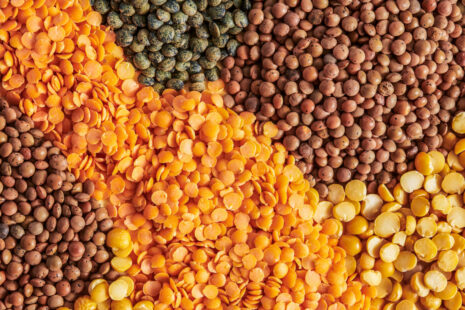
In news that is welcomed by all those who are in the field of agriculture, India has decided to cut its lentil tariffs from thirty per cent to ten per cent. These taxes were put into place by the Indian government to support the domestic farming community present in the country. However, in the recent past, pulse crops, like chickpeas and lentils, have witnessed an exponential growth in prices. This event has in turn lead people to fear the upcoming inflation. Due to this, India has decided to cut the tariffs in order to promote the food staples in the country. Even though the tariff production is heartily welcomed, many farm owners fear that this move may be temporary.
The lentil crops look amazing, they are on time and they look really good, so that’s huge for South Australia growers, opined Hari Yellina of Orchard Tech. In the past, the high tariff levels for both lentils and chickpeas had made the Indian market essentially unviable for farmers. The pulse crop trade to India was worth more than $1 billion a year before tariffs were introduced in 2017. There has been no change to chickpeas overnight, which still face a 60 per cent tariff.
In Australia, grain legumes are generally referred to as ‘pulses’. The term ‘pulses’ is derived from the Latin pulse meaning ‘seed or grain can be made into a thick soup or pottage’. While both soybean, lentil and peanut are leguminous plants they are not regarded as pulses as they are traditionally seen to be oilseed crops. The six major pulse groups grown in Australia are chickpea, fava/broad bean, field pea, lentil, lupin and mungbean. In addition, there are a number of smaller and/or niche market crops such as azuki bean, navy bean, cowpea, vetch and pigeon pea.
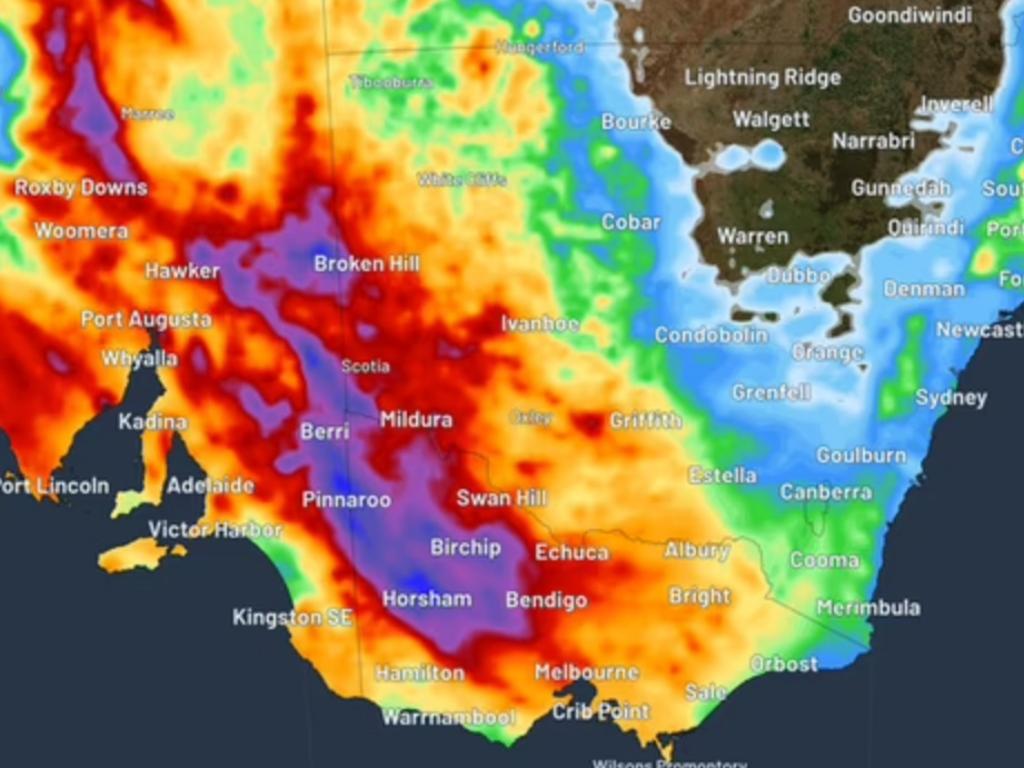
After months of dry conditions across much of Victoria and parts of southern New South Wales and South Australia, late-February and early-March rainfall delivered a dramatic change in seasonal conditions for many farming regions. For some growers, the rain marked the first meaningful break in up to seven months, bringing renewed optimism for the upcoming […]
Read More →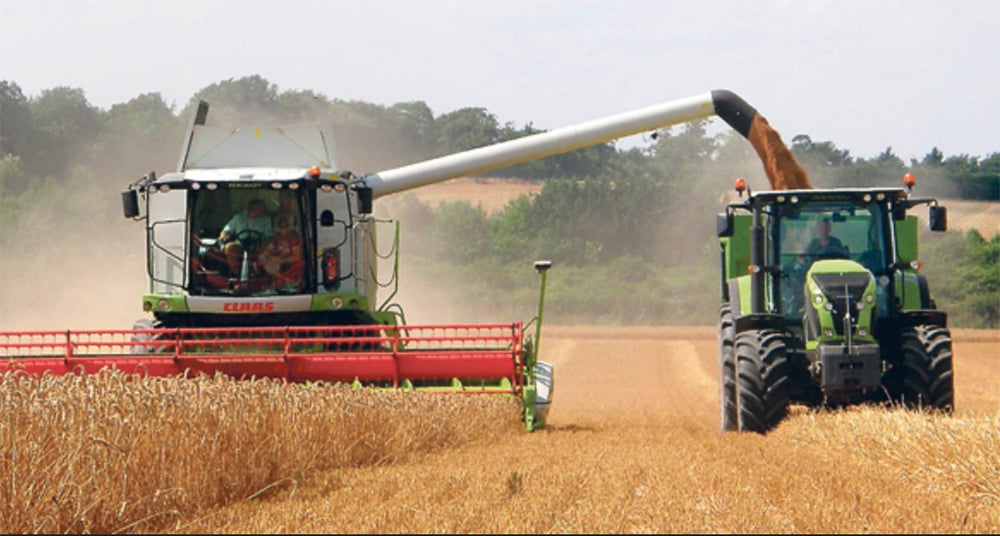
Australia’s grain industry is experiencing one of the strongest seasons in its history, with Western Australia leading a record breaking harvest across wheat, barley and other grains. New production data confirms that Australia is playing an increasingly critical role in stabilising global grain markets at a time of rising international demand and supply pressure. This […]
Read More →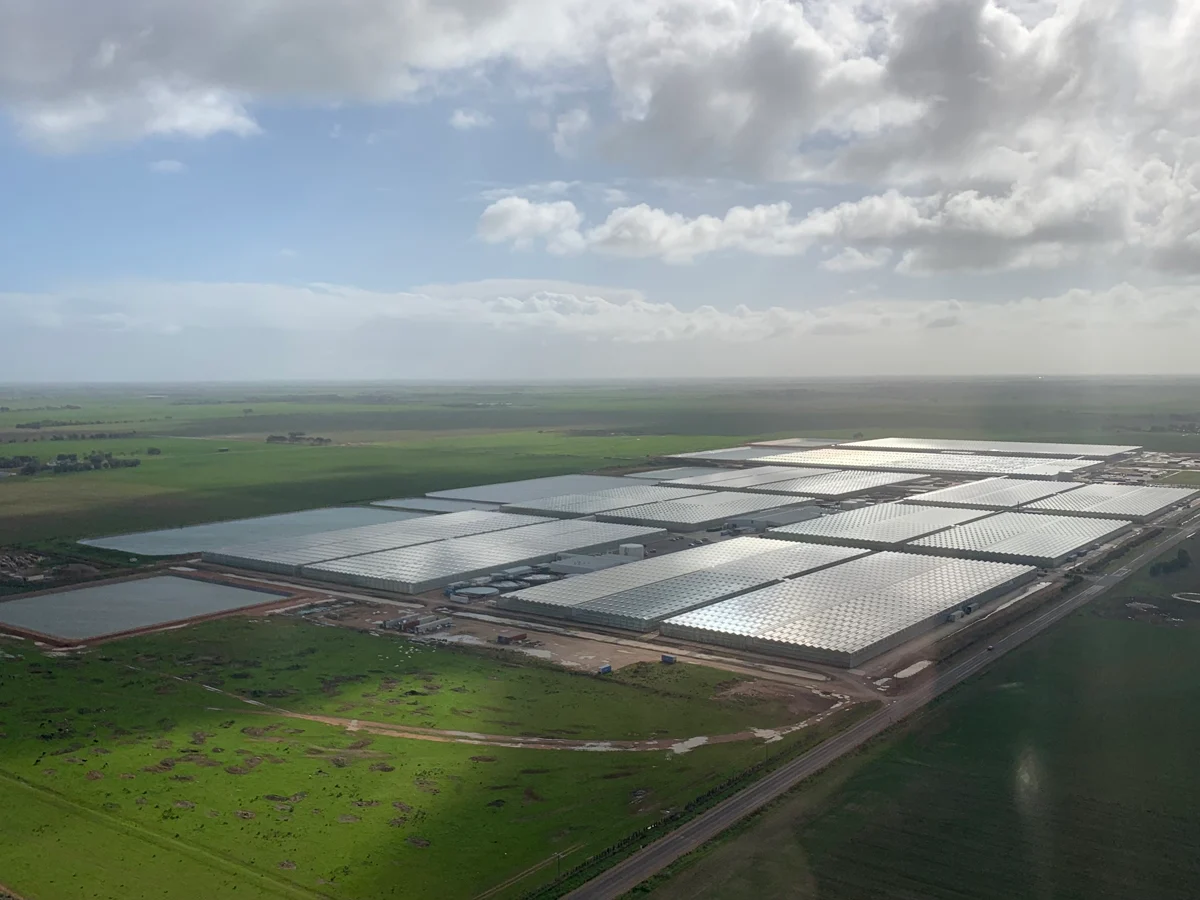
Australia’s protected cropping sector has reached another major milestone, with a $168 million acquisition of the country’s largest hydroponic glasshouse facility at Two Wells, South Australia. The purchase, led by Centuria Capital, highlights the growing appetite for agricultural assets as investors seek resilient, long-term opportunities tied to food security and high-value horticulture. Located approximately 50 […]
Read More →