
Archive: debate about the proposed Australian Agriculture Visa
June 25, 2024 • ALL SEASONS WORKFORCE AUSTRALIA
Archive notice (19 November 2026): The Australian Agriculture Visa is no longer available. This article reports on a pandemic-era proposal. A farm job does not give you a visa or permanent residence. See DFAT’s labour mobility information for current arrangements.
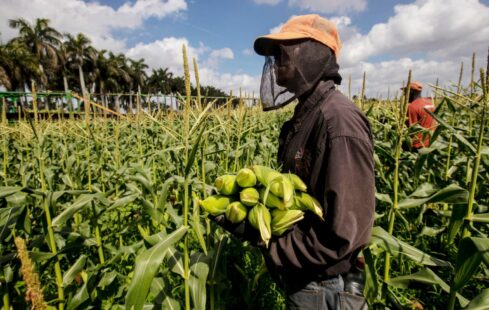
According to many trusted sources, the Australian government’s new and temporary agricultural visa attempts to solve the labour shortage crisis that has occurred because of the pandemic. However, this could be a risky approach because many low-skilled workers may be exploited. Moreover, the number of permanent skilled workers could also dwindle. The agricultural sector, in Australia, is heavily reliant on temporary visa holders for farming labour. Two of the main sources that supply this labour are backpackers and workers from the Pacific Islands. Backpackers usually have a set working period of three months while the latter work under the Seasonal Worker Programme.
The newly established agricultural visa will allow employers belonging to the farming, forestry, fisheries and meat-processing sectors to hire workers that hail from other countries. Indonesia tops the list with the other Southeast Asian nations following closely behind. Details of the new visa are still being finalised. Like the existing arrangements for Pacific Island and Timorese workers, visas will be sponsored, so numbers will depend on the scheme’s popularity with employers.
The Pacific work visas that have been available under two programs (the Seasonal Worker Programme and Pacific Labour Scheme) are more regulated, with employers obliged to provide a minimum number of work hours at the prevailing award rate, as well as accommodation and pastoral support. However, these rules have not prevented reports of exploitation and mistreatment of workers who often speak poor English, may be unfamiliar with their workplace rights and have no ability to quit and find a new employer.
Low-wage jobs carry particular risks under employer sponsorship rules. Skilled workers are better able to bargain for themselves and typically have options to move. However, workers in entry-level roles have fewer options. The choice is often putting up, leaving the country altogether. The same concerns also apply to workers recruited under the new agricultural visa. Why would the results be any different for a new visa with fewer protections? Many farmers want to do the right thing. Nonetheless, their livelihoods will be threatened if weak visa rules allow dodgy operators to mistreat migrant workers.
Australia’s experience with temporary migration shows that once a new visa is established the number of migrant workers can grow quickly. A new agricultural visa could see history repeat. Instead of rushing ahead, the Morrison government should hit pause and rethink its approach to helping farmers find workers. As it stands, this dedicated visa for agricultural workers risks opening up a Pandora’s box that will prove impossible to close.
Related Articles

AUSTRALIA’S NEW WAGE THEFT LAWS: WHAT BUSINESS OWNERS & MANAGERS NEED TO KNOW
From 1 January 2025, an employer can commit a federal offence by intentionally failing to pay a covered amount by its due date. Some entitlements of state-referred employees are excluded. An honest mistake is not this offence, but the employer must still correct an underpayment and may face civil action. Criminal and civil […]
Read More about AUSTRALIA’S NEW WAGE THEFT LAWS: WHAT BUSINESS OWNERS & MANAGERS NEED TO KNOW →
FAIR WORK COMPLIANCE UPDATES FOR 2025
For 2025, significant amendments to Australia’s Fair Work Act have been implemented, affecting employers and employees across all sectors. Staying informed about these changes is crucial to ensure compliance and maintain fair workplace practices. Criminalisation of Wage Underpayment From 1 January 2025, an employer can commit a federal offence by intentionally failing to pay a […]
Read More about FAIR WORK COMPLIANCE UPDATES FOR 2025 →
STAYING COMPLIANCE FOR BACKPACKERS WORKING IN AUSTRALIA IN 2025
Australia has long been a favoured destination for backpackers seeking work opportunities under the Working Holiday Maker (WHM) program. As of January 2025, several significant developments have emerged that both employers and backpackers should be aware of to ensure compliance with Australian laws and regulations. Key Updates: Working Holiday visa (subclass 417): The usual […]
Read More about STAYING COMPLIANCE FOR BACKPACKERS WORKING IN AUSTRALIA IN 2025 →