
July 24, 2024 • ALL SEASONS WORKFORCE AUSTRALIA
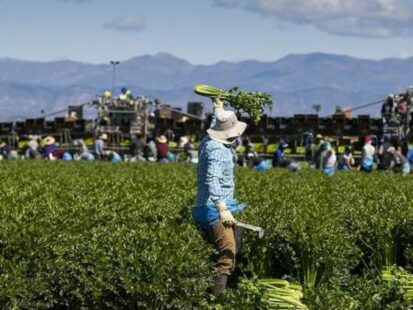
Labour shortage is a problem that is plaguing Australia ever since the onset of the pandemic. This is a crucial reason why the Australian government has decided to open its doors for ASEAN workers. In order to carry out this decision, the Australian Government will soon create a seasonal visa that allows these workers access into the country. David Littleproud, the Minister of Agricultural Affairs, clarified that this new endeavour was an effect of an abundance of negotiations with the UK. The outcome of these dealings for ASEAN workers allowed UK workers to skip working part-time in Australia in order to secure their second and third-year visas.
However, the new visa has come with certain conditions. As announced by the Minister, this new opportunity is the result of Prime Minister Scott Morrison agreeing in exchange for National Party support for the Australia-UK Free Trade Agreement. Even though the national unemployment rate stands at 5.5 per cent, with youth unemployment at 10.5 per cent, few locals are willing to fill rural Australia’s 200,000 job vacancies.
There is a visa quota for up to 25,000 Pacific Island workers under the Pacific Labor Scheme (PLS), but only 12,000 places have been taken up. The absence of the British backpackers, who must work a minimum of 88 days in exchange for extended visas, means the loss of another 10,000 workers, a problem exacerbated by the March 2020 closing of the Australian border because of the Covid-19 pandemic.
This is a historic announcement given the decades-long reluctance of successive government administrations to open the sector to Asian workers. Arguments that Asian workers will take Australian jobs have fallen away to the chronic rural labour shortage. Because of this move, farm owners should be relieved completely from their labour shortage woes for this particular harvest season.
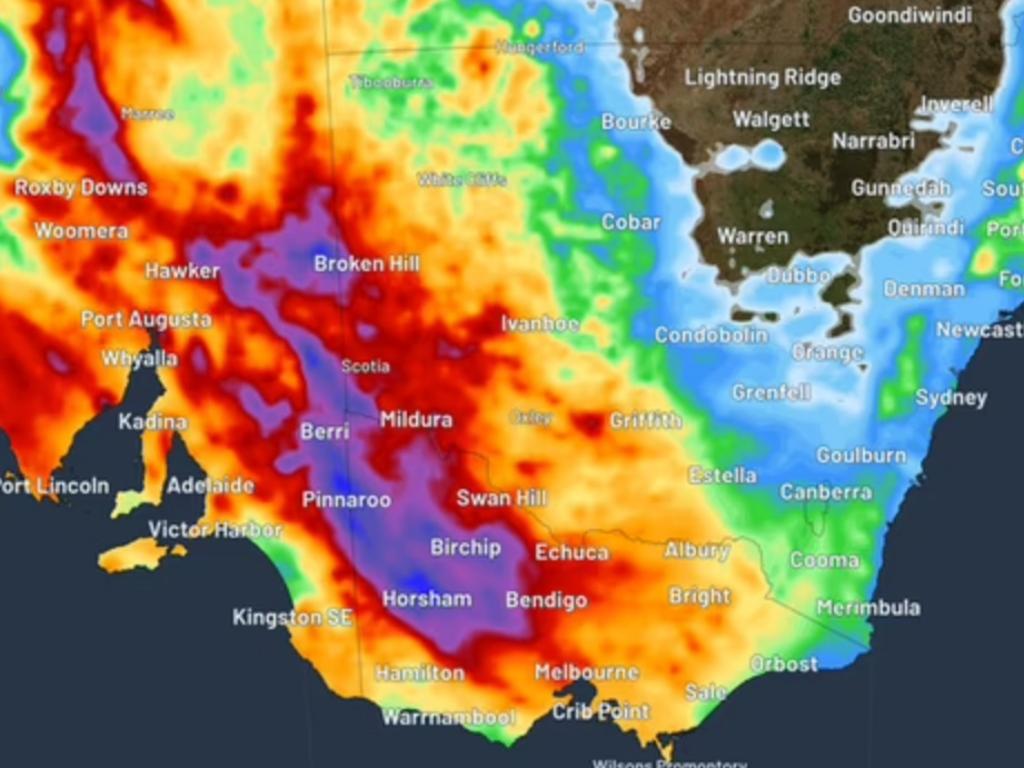
After months of dry conditions across much of Victoria and parts of southern New South Wales and South Australia, late-February and early-March rainfall delivered a dramatic change in seasonal conditions for many farming regions. For some growers, the rain marked the first meaningful break in up to seven months, bringing renewed optimism for the upcoming […]
Read More →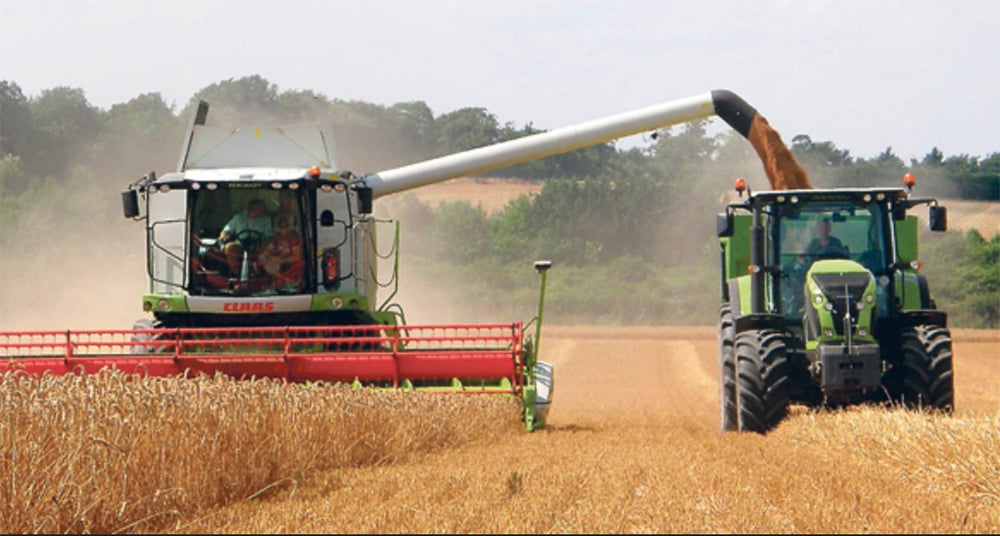
Australia’s grain industry is experiencing one of the strongest seasons in its history, with Western Australia leading a record breaking harvest across wheat, barley and other grains. New production data confirms that Australia is playing an increasingly critical role in stabilising global grain markets at a time of rising international demand and supply pressure. This […]
Read More →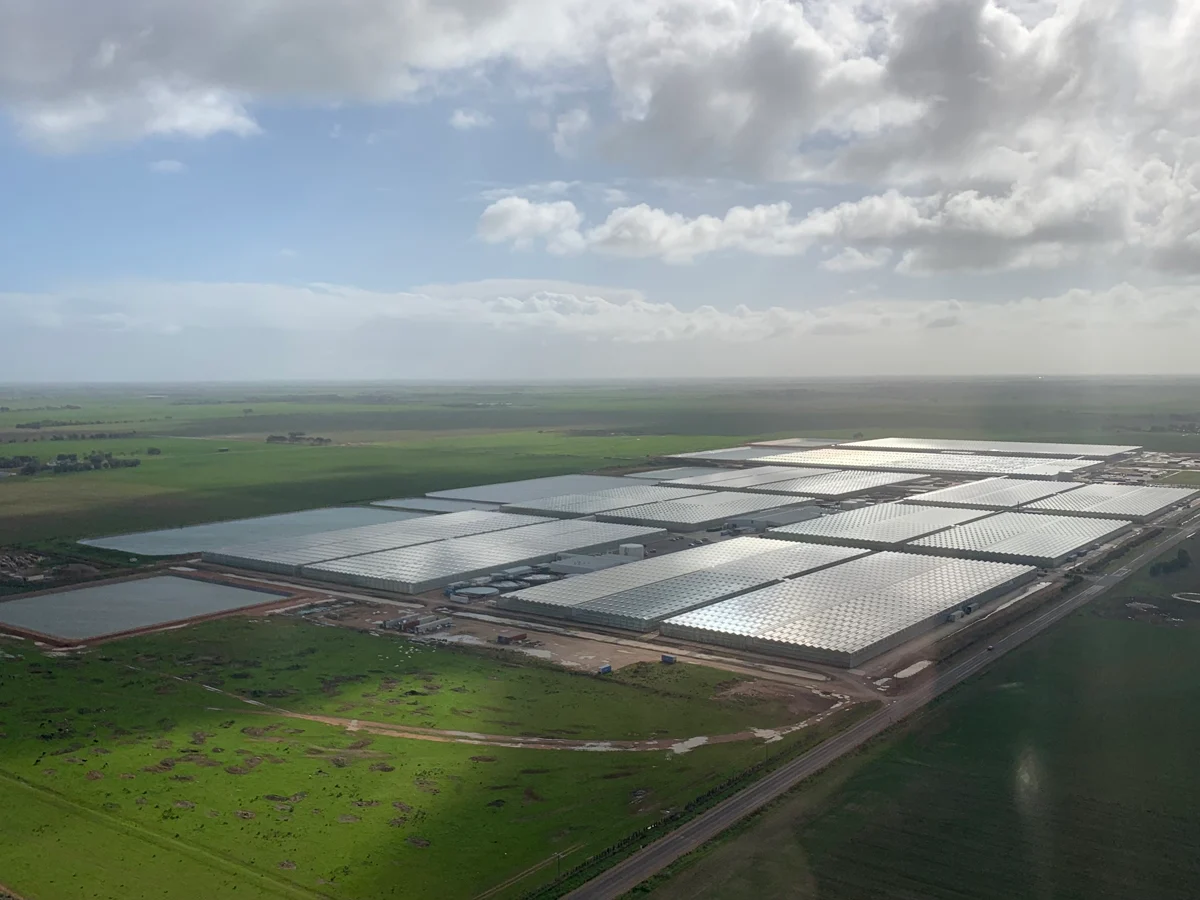
Australia’s protected cropping sector has reached another major milestone, with a $168 million acquisition of the country’s largest hydroponic glasshouse facility at Two Wells, South Australia. The purchase, led by Centuria Capital, highlights the growing appetite for agricultural assets as investors seek resilient, long-term opportunities tied to food security and high-value horticulture. Located approximately 50 […]
Read More →