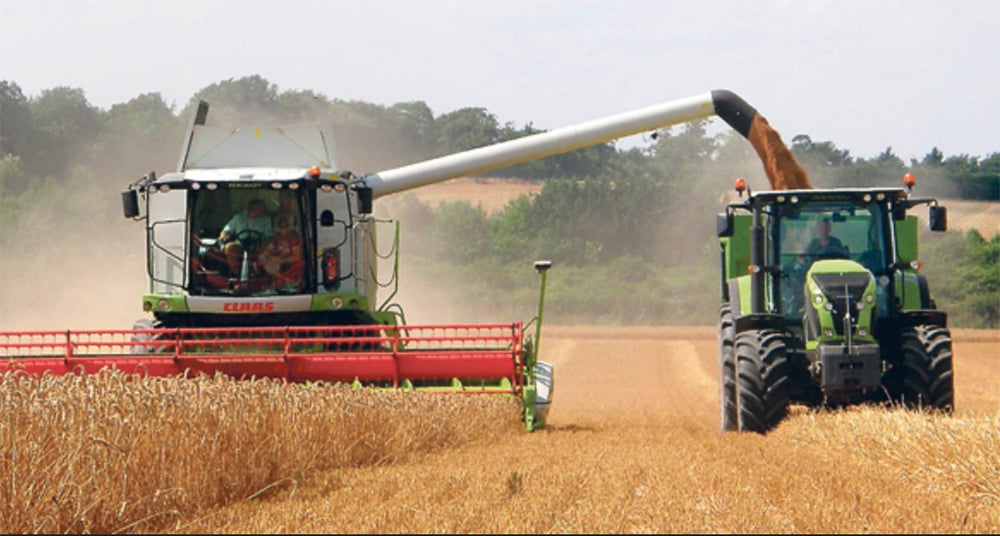
Australia’s regional industries such as agriculture and horticulture rely on machinery that must run reliably, especially during high-intensity periods such as harvest, planting and peak processing. However, for years, farmers have faced costly delays, restricted access to diagnostic tools and limited repair options due to manufacturer-controlled repair systems.
The national push for a Right to Repair (empowering farmers and regional businesses to repair their own machinery or use independent technicians) is now gaining momentum, particularly as the government focuses on lifting productivity across the economy.
1. Farmers Need Timely, Affordable Repairs to Stay Productive
Farm machinery breakdowns can cost growers tens of thousands of dollars per hour during harvest. Many farmers are currently restricted to using authorised dealers who:
-
Control access to repair manuals
-
Hold exclusive diagnostic software
-
Limit the ability of independent mechanics to perform repairs
-
Operate from locations hundreds of kilometres from regional farms
The Right to Repair would give farmers and trusted local repairers access to the same information and tools available to authorised dealers, reducing downtime, improving productivity and enabling more competitive pricing.
In short: When machinery stops, farms stop. Right to Repair keeps Australia’s food system moving.
2. A Stronger Repair Market Supports Regional Economies
Allowing regional mechanics to legally service modern machinery has ripple effects:
-
Local businesses benefit from increased work
-
Repair competition lowers costs
-
Machines are fixed faster, reducing crop losses
-
Skills stay within rural communities
This aligns strongly with the government’s objective, reinforced at the recent three day Economic Reform Roundtable, to build resilient regional economies and lift national productivity.
3. Government Momentum Is Building, But Farmers Want Action
The Australian Government has formally recognised agricultural Right to Repair as a national competition policy priority. Several forces are now accelerating reform:
-
The Productivity Commission has recommended action to remove barriers to repair in agriculture.
-
The Treasurer confirmed that broad Right to Repair reforms are being developed, learning from the successful automotive sector model.
-
The government is exploring reforms to reduce red tape, strengthen competition and lift productivity. Right to Repair directly supports all three.
-
At the roundtable, experts highlighted that productivity has stalled and removing unnecessary regulatory barriers is essential to reversing the trend.
Yet progress has been slow. A 2024 voluntary agreement between the National Farmers’ Federation and the Tractor & Machinery Association failed, increasing pressure for legislation.
Farm groups are calling for the government to move from analysis to action.
4. Right to Repair Is Directly Linked to National Productivity Goals
The Treasurer, economists, business groups and the Productivity Commission all agree: Australia cannot lift living standards without lifting productivity.
Machinery downtime, restricted repair options and inflated servicing costs directly reduce:
The roundtable highlighted that small reforms, such as cutting repair barriers, can collectively deliver large national gains.
Right to Repair is one of those reforms.
5. Modern Farming Requires Technology—but Technology Must Be Accessible
Today’s harvesters, tractors and autonomous equipment rely heavily on:
-
sensors
-
onboard computers
-
proprietary software
-
advanced diagnostics
Manufacturers often lock these tools behind passwords or encrypted systems.
Right to Repair ensures:
-
farmers can diagnose faults themselves
-
independent mechanics can legally perform repairs
-
software lockouts do not immobilise multi-million-dollar machinery
-
competition prevents inflated repair costs
This modernises agriculture and reduces reliance on single repair channels.
6. Supporting Australia’s Long-Term Food Security
Breakdowns can quickly snowball into:
-
Unharvested crops
-
Transport & supply chain issues
-
Reduced processing capacity
-
Increased supermarket prices
-
Increased harvest and packing timelines
-
Disrupted casual and seasonal workforces
-
Significantly reduced processing capacity
-
Disrupted contractor schedules and labour planning
When machinery sits idle, workforces sit idle, causing:
-
Lost hours for seasonal workers
-
Contract delays
-
Reduced incomes for regional communities
-
Lower overall productivity
With global supply chains already under pressure and climate variability rising, Australia cannot afford avoidable repair delays.
Right to Repair is a foundational reform that supports our nation’s broader food security objectives.
All Seasons Workforce Australia (ASWA) Advocates For Industry Stability & Right To Repair
All Seasons Workforce Australia (ASWA) remains committed to supporting growers, processors, contractors and regional employers with:
-
Seasonal workforces & management
-
PALM Scheme workforce integration
-
Compliant labour hire
-
PALM workforce coordination and deployment
-
Peak season staffing solutions
-
Multi industry labour planning
-
Processing staff
A stronger repair environment means a stronger agricultural workforce and a more sustainable future for regional Australia.
With economic reform now under the spotlight following the national roundtable, Right to Repair has become part of a broader conversation about how Australia lifts productivity, supports regional workers and protects long-term living standards.
Farmers across Australia are calling for a Right to Repair because they recognise its importance to productivity, cost control and regional resilience. With government support increasing and voluntary industry solutions falling short, legislative reform is now both necessary and expected.
A modern, fair and competitive repair market will help secure the future of Australian agriculture, protecting crops, supporting regional workers and strengthening national food systems.
All Seasons Workforce Australia is here to support our vital industries and if you have any labour hire & workforce requirements, contact us anytime.