June 24, 2024 • ALL SEASONS WORKFORCE AUSTRALIA
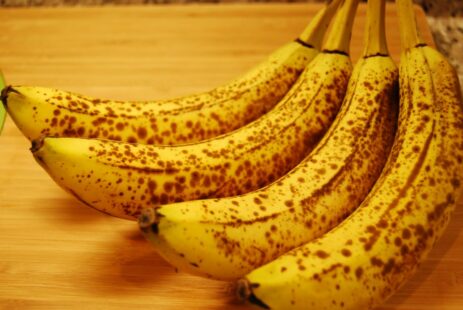
The banana freckle infestation has now spread to two more residences in the Northern Territory. The NT Government’s biosecurity authorities say there have now been three positive cases of the disease from three different sites. All of them are located in the Batchelor-Rum Jungle region, about 100 kilometres south of Darwin. Whether the proposal to pronounce the NT free of the terrible disease in 2019 was premature is now being questioned. Surveillance teams have inspected approximately 40 properties in the area where the initial case was discovered a few weeks ago. Four samples were taken, and two of them were confirmed as new cases of banana freckle by testing facilities.
The present outbreak is still “technically doable to eradicate,” according to an emergency national conference of biosecurity officials held recently. Bananas and banana plants are prohibited from leaving the Territory due to quarantine requirements. Queensland, which produces 90% of the country’s bananas, is keeping a close eye on what’s going on in the Territory. The most recent response to the new detections is to keep examining properties to figure out how big the epidemic is. “The recent detection in the NT is not thought to be connected to the earlier incident,” government authorities said a week ago. After the Territory had been proclaimed free of the banana freckle, it was thought that the disease would be isolated to the one property that had planted the infected banana tree.
A NT-wide monitoring effort was in place at the time, with more than 500,000 banana plants removed on 9500 sites. The largest biosecurity operation of its kind in Australia, costing $26 million, discovered and treated banana freckle on 260 sites. On February 1, 2019, proof of freedom was declared, indicating that the disease has been successfully eradicated. The eradication campaign also included a six-month “host-free period,” which included the whole Top End wet season. The disease was then monitored in sentinel disease-free banana plants before proof of freedom was certified. The majority of Australia’s bananas are now cultivated in Queensland, which has a $600 million banana industry. Chemicals will not be able to eradicate banana freckle; instead, the disease must be eradicated by removing the banana plants. Banana fruit, the peel, and banana plant debris should not be taken out of the area where they were purchased by the many tourists to the Top End for their dry season holidays.
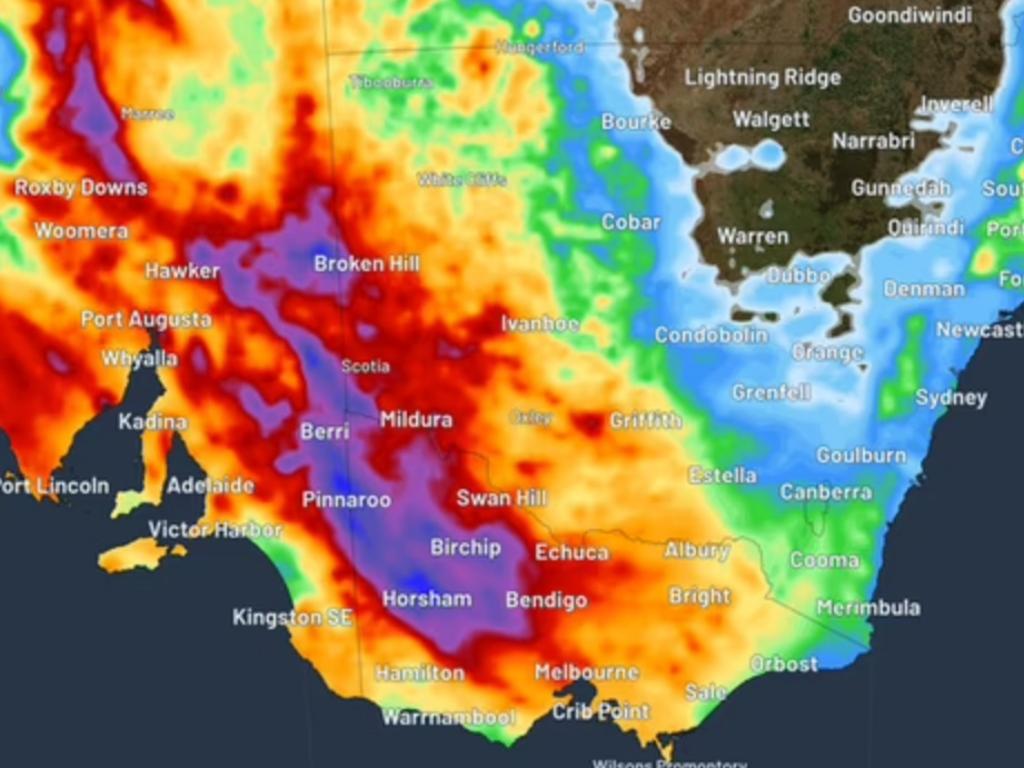
After months of dry conditions across much of Victoria and parts of southern New South Wales and South Australia, late-February and early-March rainfall delivered a dramatic change in seasonal conditions for many farming regions. For some growers, the rain marked the first meaningful break in up to seven months, bringing renewed optimism for the upcoming […]
Read More →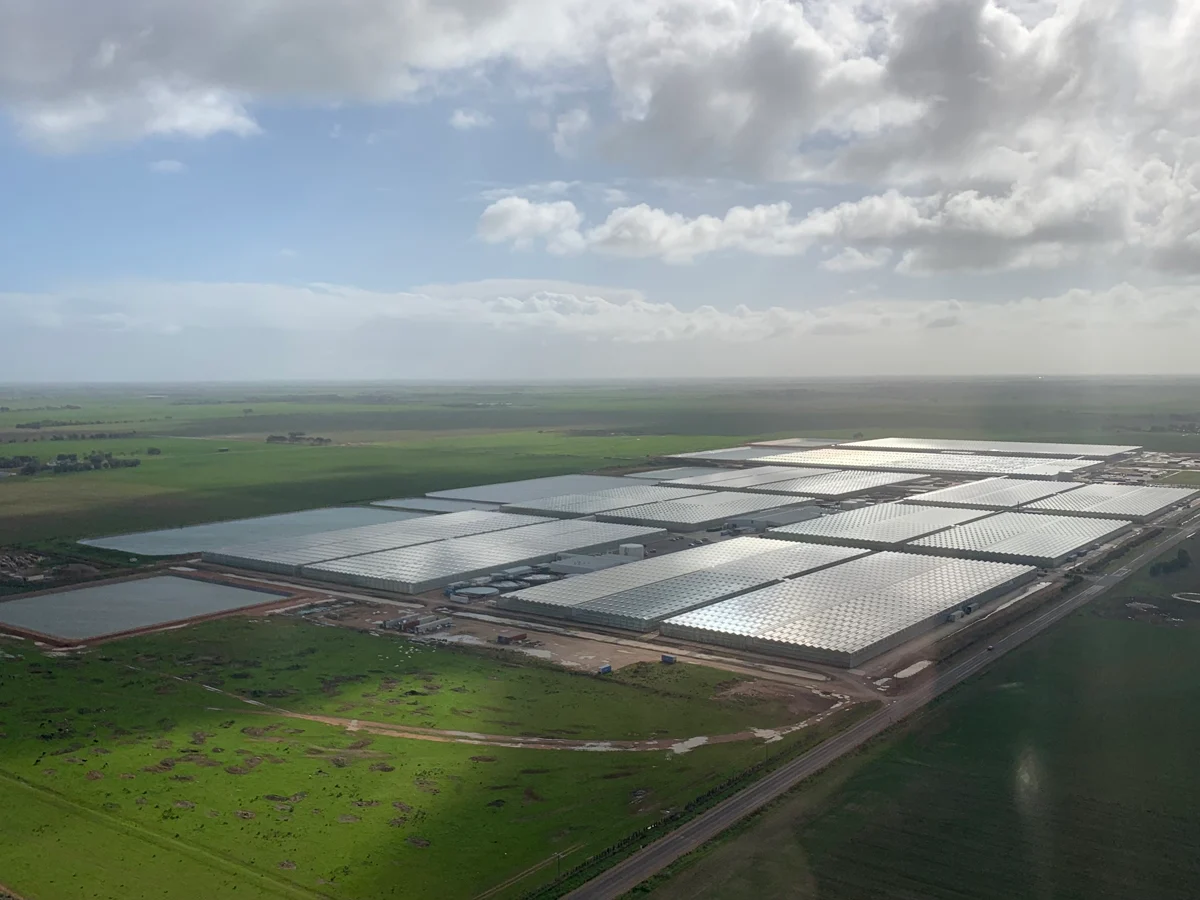
Australia’s protected cropping sector has reached another major milestone, with a $168 million acquisition of the country’s largest hydroponic glasshouse facility at Two Wells, South Australia. The purchase, led by Centuria Capital, highlights the growing appetite for agricultural assets as investors seek resilient, long-term opportunities tied to food security and high-value horticulture. Located approximately 50 […]
Read More →
Australia’s regional industries such as agriculture and horticulture rely on machinery that must run reliably, especially during high-intensity periods such as harvest, planting and peak processing. However, for years, farmers have faced costly delays, restricted access to diagnostic tools and limited repair options due to manufacturer-controlled repair systems. The national push for a Right to […]
Read More →