June 24, 2024 • ALL SEASONS WORKFORCE AUSTRALIA

Who will be responsible for the rising costs? That is the question on everyone’s mind in the greenhouse vegetable industry. No one had an answer at the start of the current season, but growers appear to be stuck with it for the time being. It is undeniable that this condition will not persist long. Will the industry as a whole take a united stance? Who knows what will happen.
Cucumbers marked the start of the greenhouse vegetable season in the Netherlands in late January. Aubergine, courgette, bell peppers, and tomatoes were among the goods that followed. Those who don’t know any better would claim there’s nothing wrong with this industry. However, there is a very concerned sector lurking beneath the themes of crisp, healthy fruit.
This year, more than any other, has been a watershed moment for me. In late March, the distress signal that four out of ten Dutch growers are in financial trouble was finally heard. Belgian growers, like those in many other nations, are in the same boat. Since the autumn, the industry has been in danger. As soon as energy prices began to climb, the first farmers fell into difficulties. Crops were ended early, and greenhouses were left empty (for longer). Some people gave up completely or sold their greenhouses to (ornamental plant) friends. Only roughly half of the average tomato quantities were produced under lights this winter. If not from empty greenhouses, then from more cost-effective lighting and heating. Cucumber production, which is now a year-round crop, has also decreased dramatically.
These effects can still be seen in the market as of mid-April. Out of necessity, many growers are still attempting to farm differently. As a result, the output is falling. You don’t get out what you don’t put in. The start of the new greenhouse vegetable season was slower than usual, and costs were higher. Tomatoes were selling for never-before-seen rates per kilogramme in early April. Prices are far higher than they have been in recent years, as are costs. Dutch tomatoes were twice as expensive in March as they were a year ago. That just goes to highlight how strange the market is right now.
In the short term, it’s critical that growers can continue to profitably produce fruit, vegetables, flowers, and plants for general use. So, as the Dutch government advised, no decorative plant cultivation for a while was met with rejection and fury. Bridging loans from the government might assist growers in getting through these challenging times. Growers, particularly generations of growers, do not want to be staring at an empty greenhouse. Alternatively, you might run a cogeneration plant to generate electricity that you can then put back into the grid. For some producers, this is a good source of money since that gas prices have pushed up energy bills. However, they would want to cultivate vegetables, fruits, flowers, or plants, just like their fellow producers who do not have this advantage.
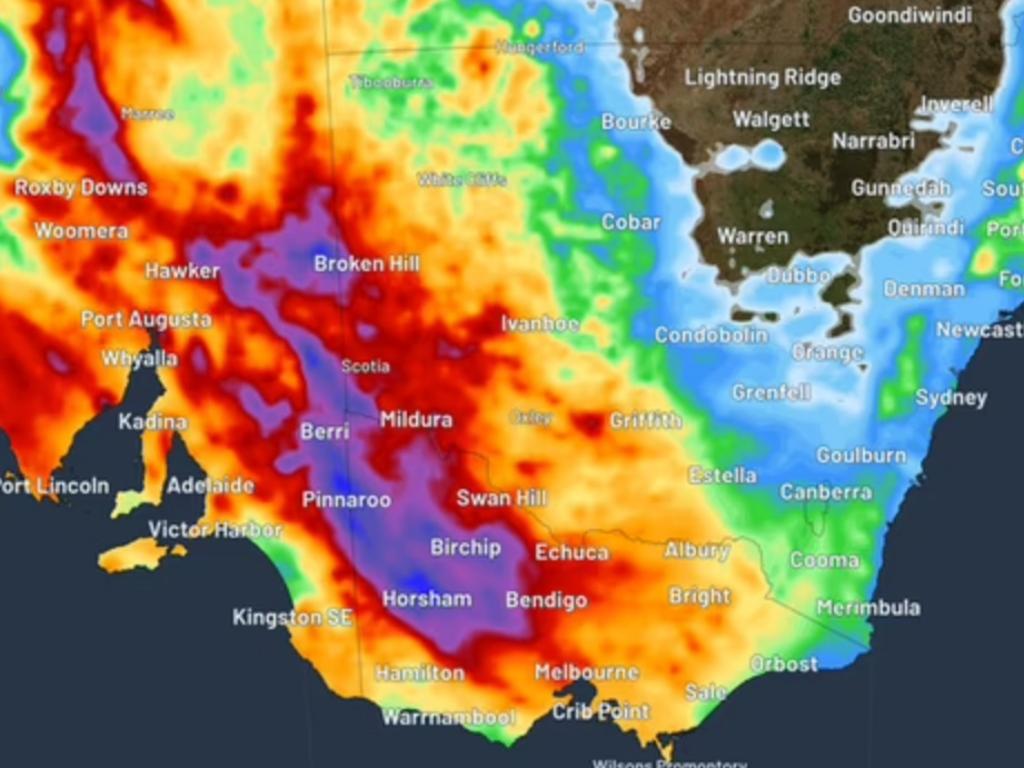
After months of dry conditions across much of Victoria and parts of southern New South Wales and South Australia, late-February and early-March rainfall delivered a dramatic change in seasonal conditions for many farming regions. For some growers, the rain marked the first meaningful break in up to seven months, bringing renewed optimism for the upcoming […]
Read More →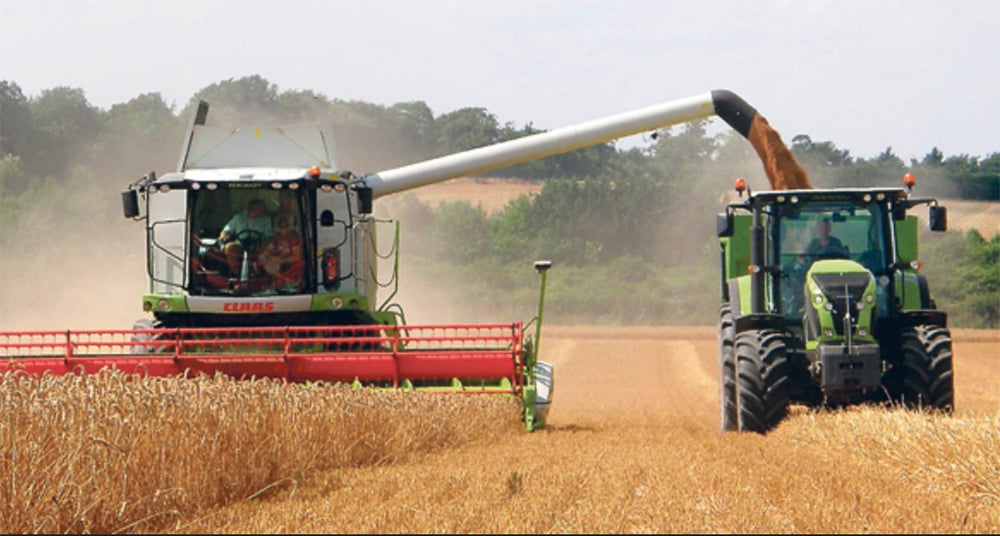
Australia’s grain industry is experiencing one of the strongest seasons in its history, with Western Australia leading a record breaking harvest across wheat, barley and other grains. New production data confirms that Australia is playing an increasingly critical role in stabilising global grain markets at a time of rising international demand and supply pressure. This […]
Read More →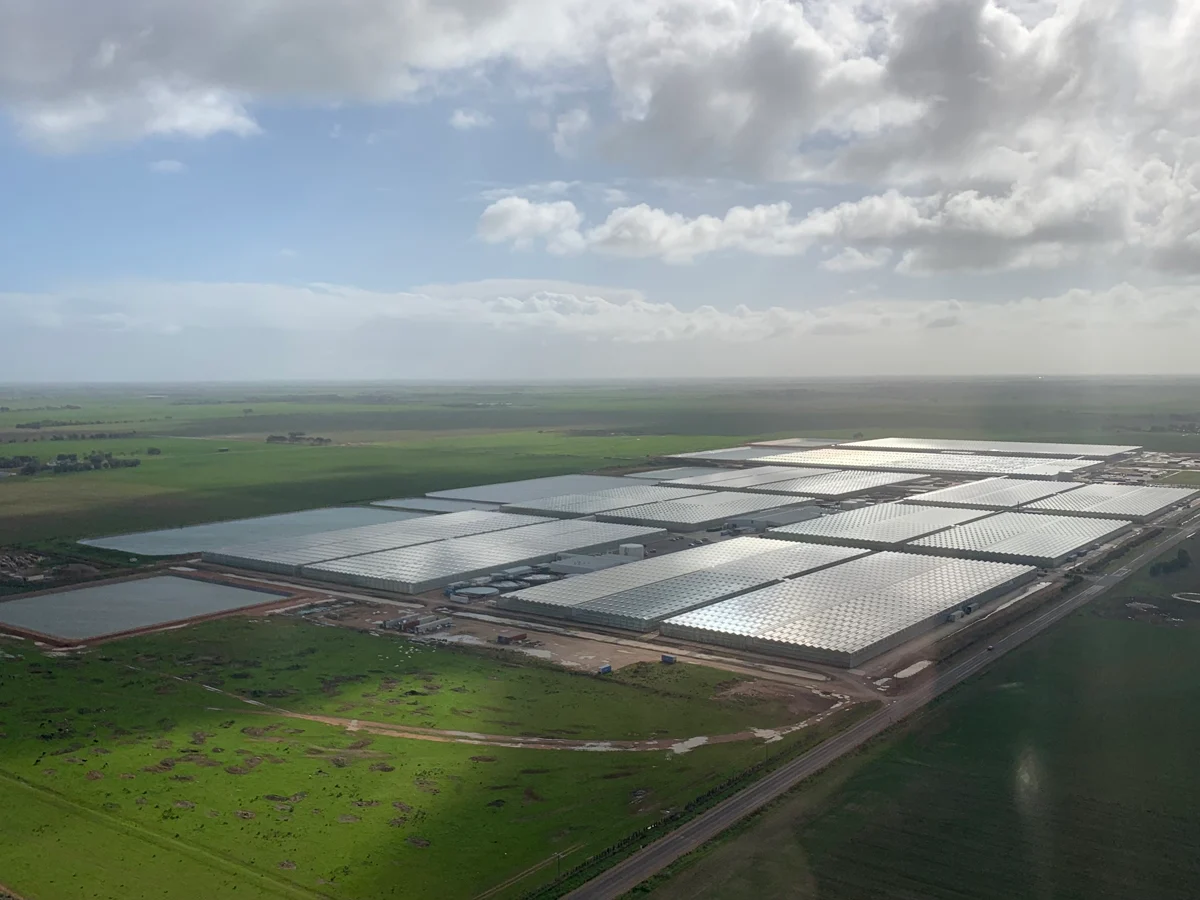
Australia’s protected cropping sector has reached another major milestone, with a $168 million acquisition of the country’s largest hydroponic glasshouse facility at Two Wells, South Australia. The purchase, led by Centuria Capital, highlights the growing appetite for agricultural assets as investors seek resilient, long-term opportunities tied to food security and high-value horticulture. Located approximately 50 […]
Read More →