
Meat production figures show different pressures across cattle and sheep
November 18, 2026 • ALL SEASONS WORKFORCE AUSTRALIA
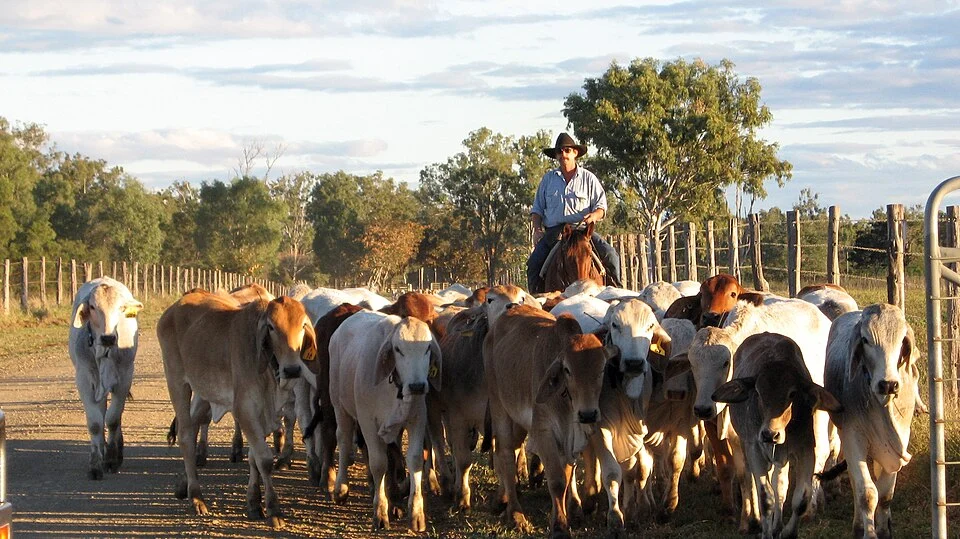

Australia’s red meat production fell 2.8 per cent in the September 2026 quarter, according to ABS figures released on 17 November. The seasonally adjusted results show different movements across beef, mutton and lamb, rather than a uniform slowdown across processing.
Beef output falls while sheepmeat rises
Cattle slaughter declined 4.6 per cent from the June quarter to about 2.4 million head. Beef production fell 4.7 per cent to 740,002 tonnes.
Mutton moved in the other direction. Sheep slaughter increased 4.4 per cent to around 1.5 million head, while mutton production rose 7.6 per cent to 42,976 tonnes.
Lamb figures underline why head counts and production tonnes deserve separate attention. Processors slaughtered 1 per cent fewer lambs, about 5.1 million head, but lamb meat production increased 1 per cent to 134,329 tonnes. All these quarterly comparisons use the ABS seasonally adjusted series.
Check the reporting period before planning a roster
More recent weekly reporting adds another perspective. In its 13 November market update, Meat & Livestock Australia reported cattle slaughter of 125,552 head for the week ending 6 November, down 5 per cent on the previous week. MLA noted that the Melbourne Cup public holiday affected Victorian processing.
Those weekly observations cover a later period than the ABS quarter and should not be treated as a direct comparison with the quarterly totals.
Regional employers can use both reports as background when discussing incoming livestock and production schedules. For workers, the useful next step is to check expected shifts with their own processing employer. National production movements alone do not establish what hours a particular plant will offer.
Related Articles
Victoria approves virtual fencing for farmers with GPS livestock management
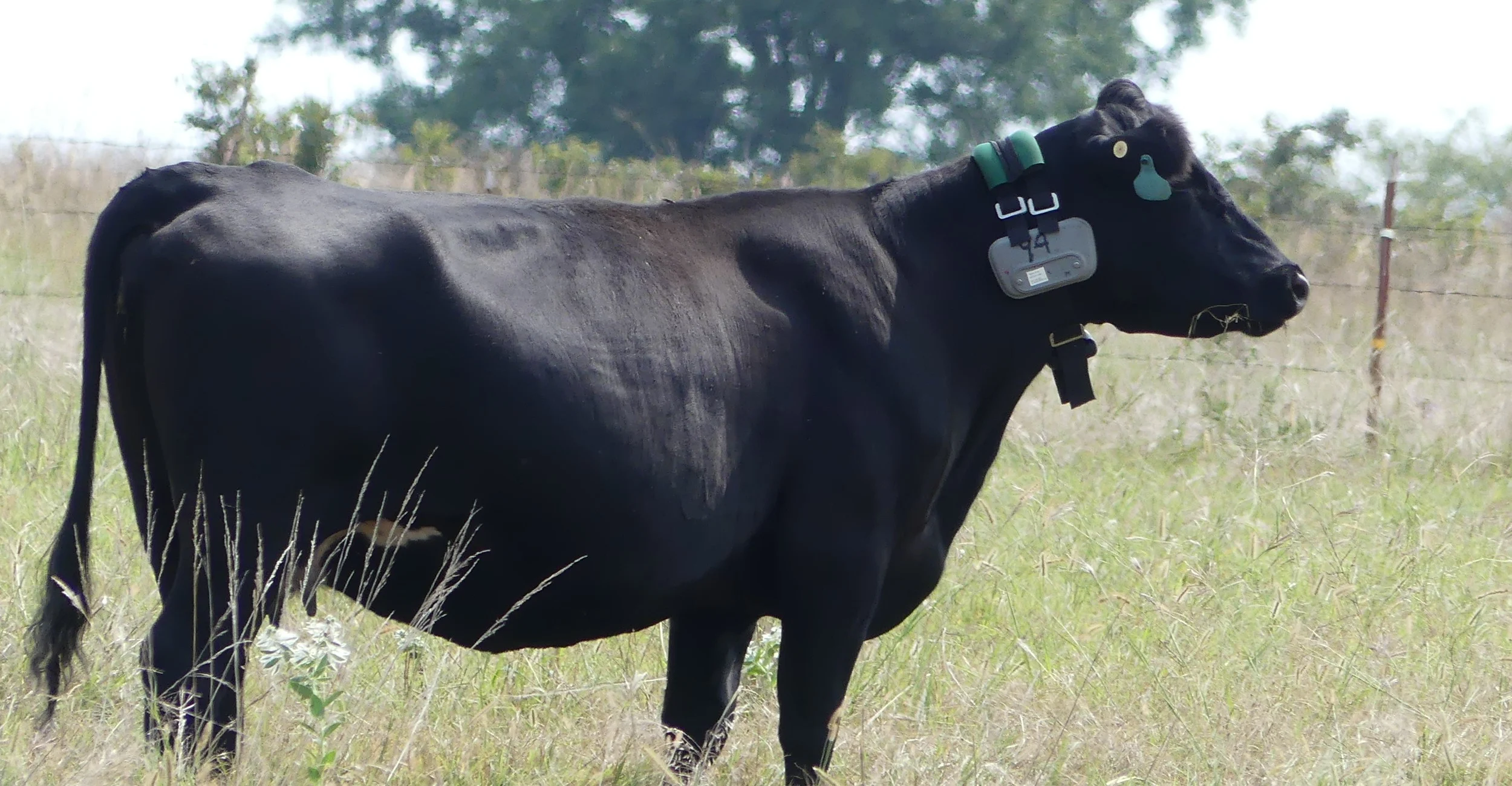
Victoria is preparing to adopt virtual fencing technology for cattle, bringing the state in line with Tasmania, Queensland and Western Australia. Under new regulations announced by Agriculture Minister Ros Spence, Victorian farmers will be able to implement GPS enabled collar systems from February next year, marking a major step forward in digital livestock management. Virtual […]
Read More about Victoria approves virtual fencing for farmers with GPS livestock management →
🌿Lest We Forget: Honouring the ANZAC Legacy and the Sacrifice for Freedom🎖️
A Legacy Carved in Sacrifice On 25 April each year, Australians and New Zealanders pause to honour those who served and sacrificed in military conflicts, particularly during the Gallipoli campaign of World War I. ANZAC Day is one of our most significant national occasions, marking the anniversary of the first major military action fought […]
Read More about 🌿Lest We Forget: Honouring the ANZAC Legacy and the Sacrifice for Freedom🎖️ →
All Seasons Workforce Australia – partner with workforce professionals!
Why Poor Workforce Solutions Can Be a Costly Long Term Mistake Every business faces challenges, but the way these challenges are managed determines long term success. Imagine you’re on a long road trip, and you get a flat tyre. Instead of replacing it with an appropriate one, you opt for a space saving emergency […]
Read More about All Seasons Workforce Australia – partner with workforce professionals! →