
June 25, 2024 • ALL SEASONS WORKFORCE AUSTRALIA

In news that is favourable for foreign agriculture workers, the Federal Government has introduced a new agriculture visa that aims to provide permanent residency to foreign workers entering the country. This agriculture visa aims to cover up the labour shortage that is being faced in the farming, fisheries and forestry sectors. The shortage of workers has been witnessed due to the wrath of the pandemic. Because of border closures and strict state restrictions, workers were not allowed to enter Australia. However, as the restrictions ease, the agricultural and horticultural sectors are aiming to draw back workers. This is to cope up with the intense harvesting seasons.
Nevertheless, it is unknown which countries this new agriculture visa will apply to. The Government has stated that the Visa will operate from September 21 and that it is an addition to the existing Seasonal Worker Programme and Pacific Labour Scheme. This programme is considered highly successful by the government. According to Agriculture Minister David Littleproud, this is the biggest structural reform to Australian agricultural labour in the nation’s history. Most of the meat processing sectors are running around 60 to 70 per cent capacity at the moment because they simply do not have the people to perform the duties.
Even though Australian citizens are given first priority to fill these positions, farmers cannot wait beyond a certain time frame because it hampers the harvest season. Hence, this agriculture visa aims to solve that problem. The government forecasts the number of Pacific and Timorese workers in Australia will double to over 24,000 under the scheme. Due to the ongoing pandemic, all workers will need to be quarantined, adding additional constraints on bringing in Pacific workers.
The Australian announcement follows moves from New Zealand to expand its travel bubble to Tonga, Samoa and Vanuatu, allowing season workers to travel without two weeks quarantine to help address agriculture labour shortages. In January, the state of Victoria struck a deal with Tasmania to allow seasonal workers to quarantine there before travelling to the mainland, to help fill gaps in the workforce.
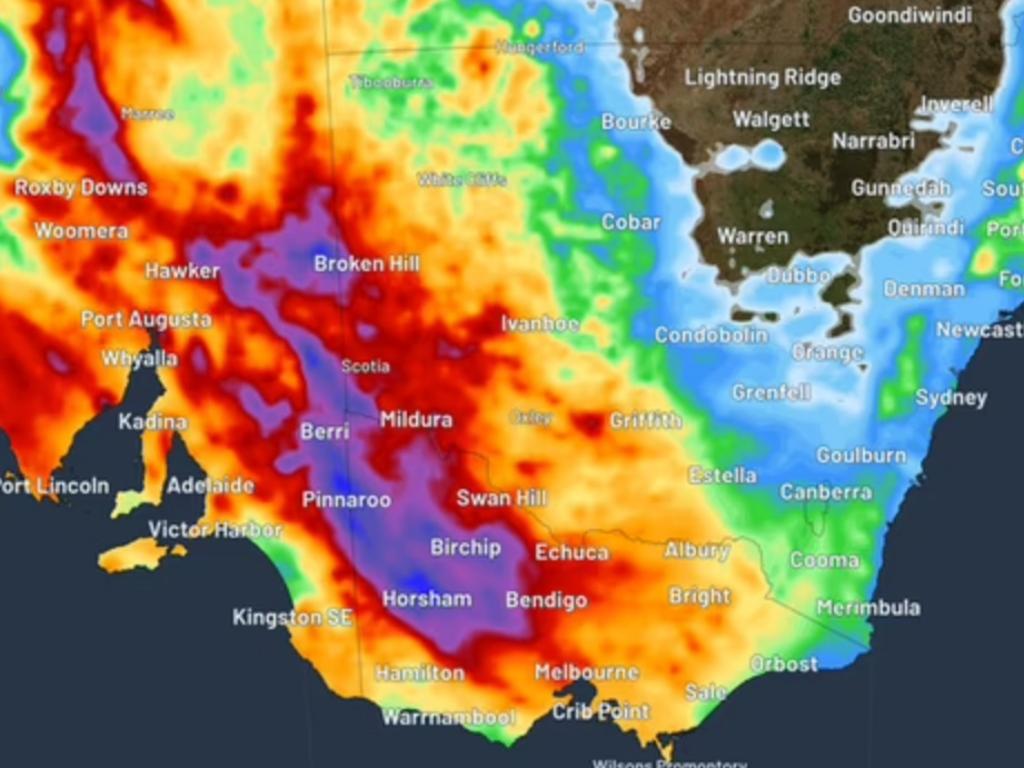
After months of dry conditions across much of Victoria and parts of southern New South Wales and South Australia, late-February and early-March rainfall delivered a dramatic change in seasonal conditions for many farming regions. For some growers, the rain marked the first meaningful break in up to seven months, bringing renewed optimism for the upcoming […]
Read More →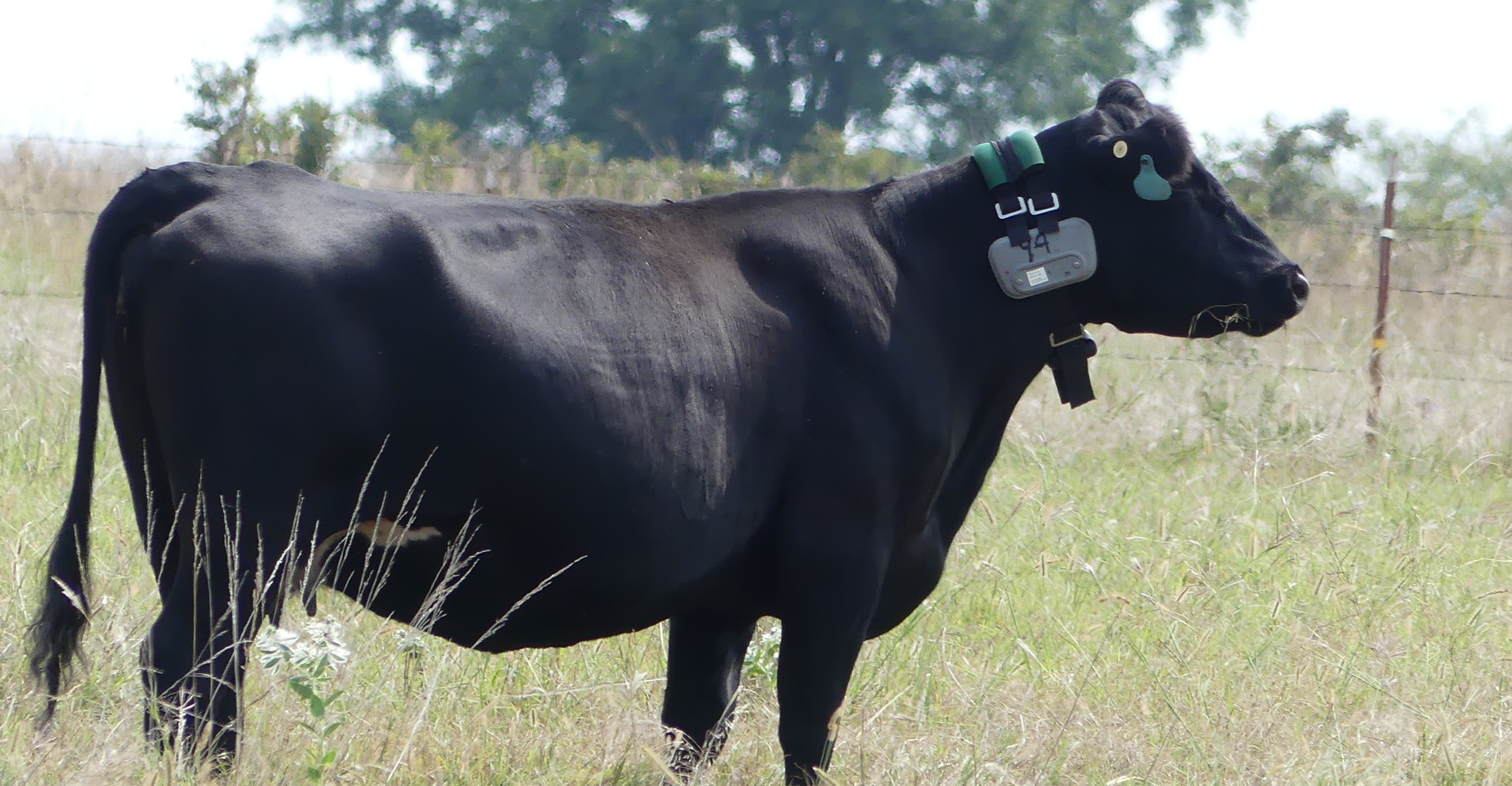
Victoria is preparing to adopt virtual fencing technology for cattle, bringing the state in line with Tasmania, Queensland and Western Australia. Under new regulations announced by Agriculture Minister Ros Spence, Victorian farmers will be able to implement GPS enabled collar systems from February next year, marking a major step forward in digital livestock management. Virtual […]
Read More →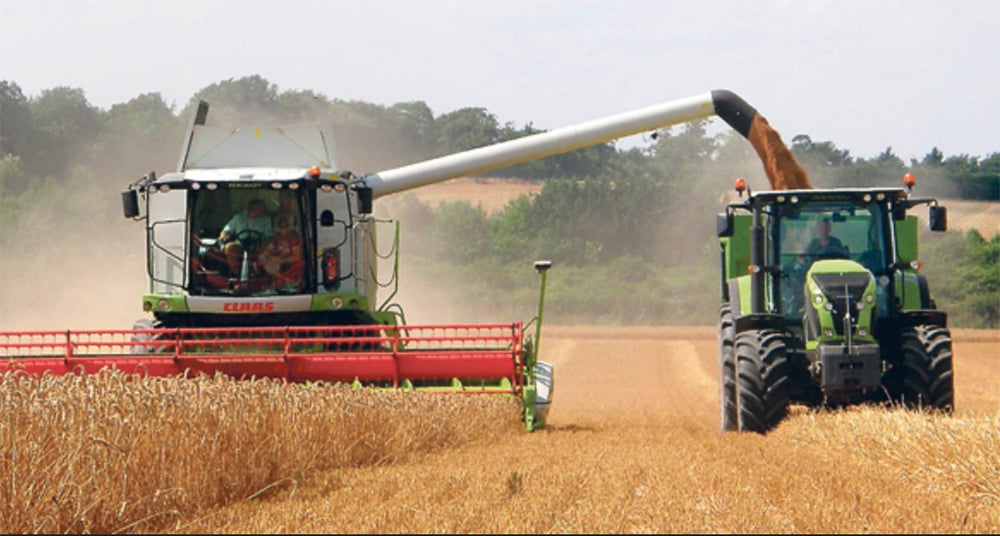
Australia’s grain industry is experiencing one of the strongest seasons in its history, with Western Australia leading a record breaking harvest across wheat, barley and other grains. New production data confirms that Australia is playing an increasingly critical role in stabilising global grain markets at a time of rising international demand and supply pressure. This […]
Read More →