
July 24, 2024 • ALL SEASONS WORKFORCE AUSTRALIA

One of the regions in Peru that produces and exports the most blueberries is La Libertad. According to the Ministry of Foreign Trade and Tourism, even its strong performance during the first four months of the year helped counteract the decline in other items including gold, fishmeal, avocados, and asparagus. Determining the precise time that the vast blueberry harvest should start presents a significant challenge for the farmers of this sour fruit, which is highly prized around the world. Agro-industries suffer significant economic losses as a result of prediction errors. Due to this, the Antenor Orrego Private University (UPAO) Labinm Robotics team is creating a robot prototype that allows sampling blueberry clusters and, using artificial intelligence and algorithms, determining the quality of the sample.
The cost of workers and equipment still needs to be assumed, which is why we chose to construct this prototype and offer answers. “Agroindustries have their harvest estimates and based on that they recruit many people for this period, but when the calculations fail, they have to wait,” he stated. Labinm Robotics’ chief investigator is Sixto Prado Garini. The expert explained that the prototype, which is still being developed in the lab, has four motorised wheels that are driven by electronic cards that are calibrated, programmed, and supplemented with additional cards based on how much power each of these components uses.
For instance, if a bush has 5,000 blueberries, the robot will estimate that 40% of them will be ready for harvest in a week and the remaining 60% in a week and a half. In this manner, samples are taken from the crop field, and the results are extrapolated. Because we are providing it industry 4.0 qualities, the information is provided via a web or satellite application, and it is sent to the company’s managers so they may determine whether to recruit the staff, she explained. Prado Garini ensures that the technological initiatives he directs do not seek to replace labour but rather to complement and transform it for the benefit of the industry. This project began in February 2021 and should be completed in December 2023. It is also executed with funds from Concytec for a value of S/ 200,000.
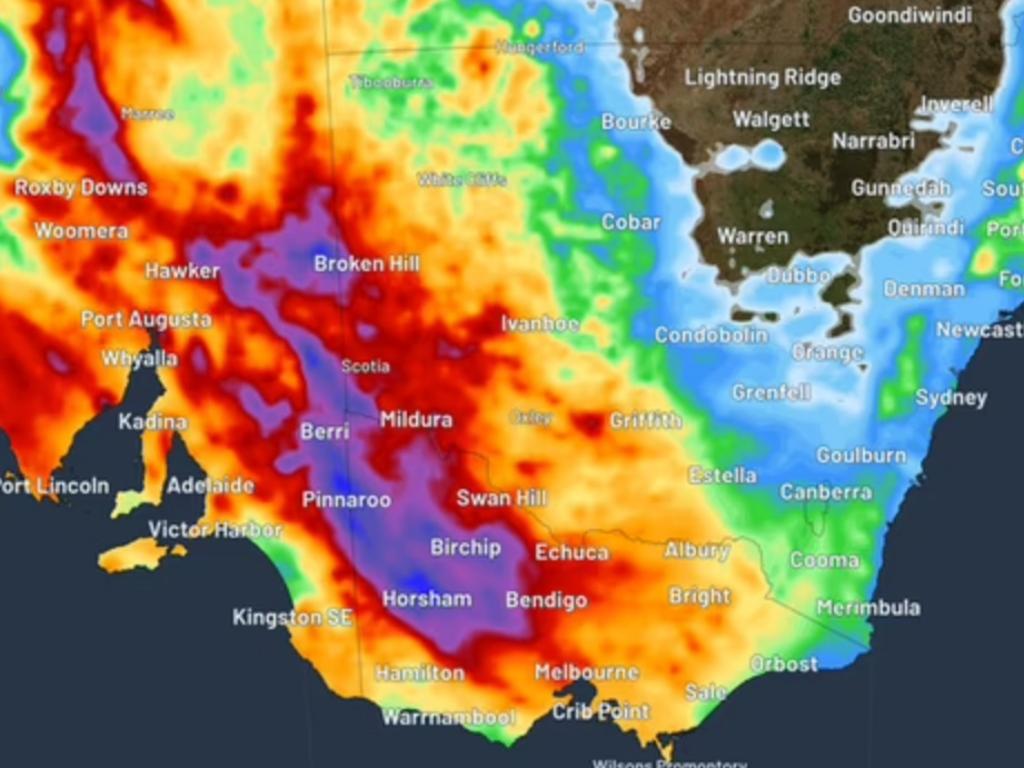
After months of dry conditions across much of Victoria and parts of southern New South Wales and South Australia, late-February and early-March rainfall delivered a dramatic change in seasonal conditions for many farming regions. For some growers, the rain marked the first meaningful break in up to seven months, bringing renewed optimism for the upcoming […]
Read More →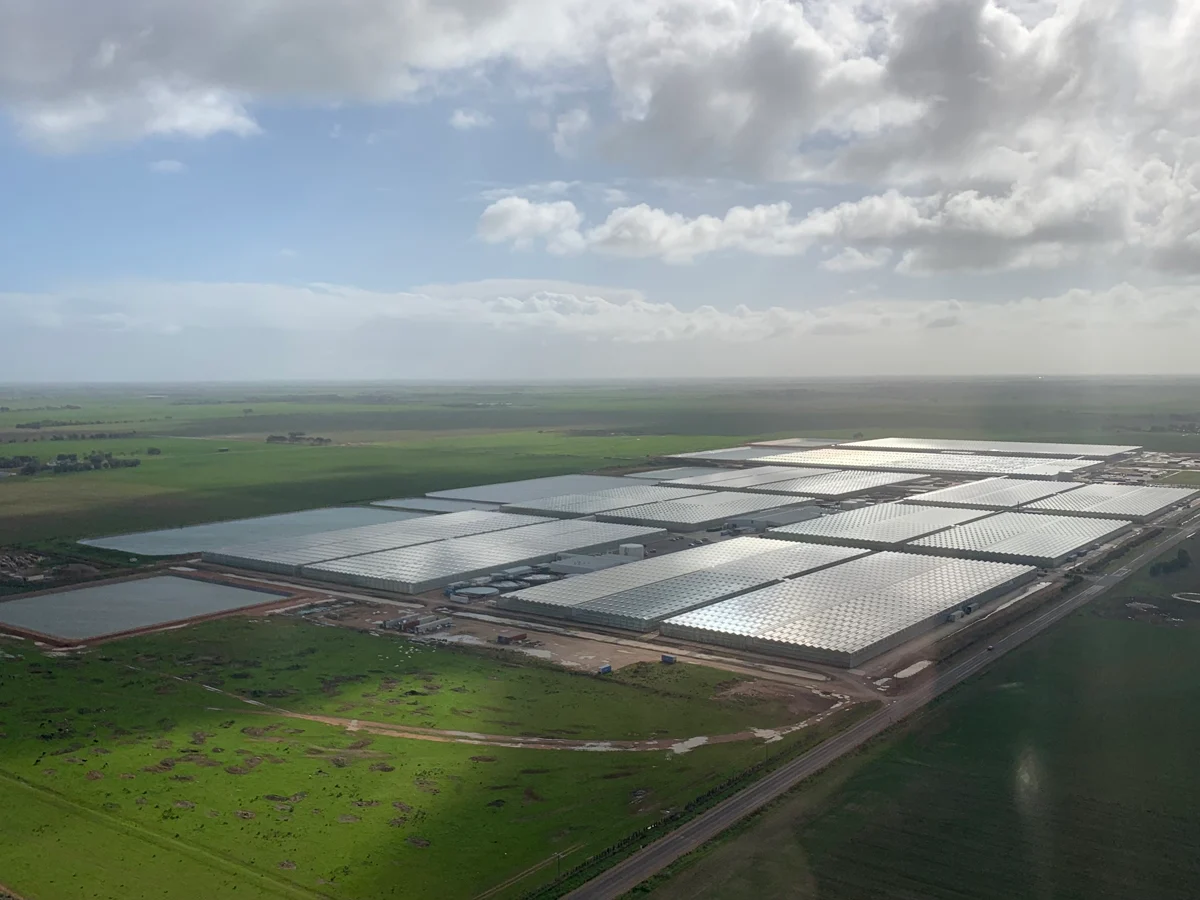
Australia’s protected cropping sector has reached another major milestone, with a $168 million acquisition of the country’s largest hydroponic glasshouse facility at Two Wells, South Australia. The purchase, led by Centuria Capital, highlights the growing appetite for agricultural assets as investors seek resilient, long-term opportunities tied to food security and high-value horticulture. Located approximately 50 […]
Read More →
Australia’s regional industries such as agriculture and horticulture rely on machinery that must run reliably, especially during high-intensity periods such as harvest, planting and peak processing. However, for years, farmers have faced costly delays, restricted access to diagnostic tools and limited repair options due to manufacturer-controlled repair systems. The national push for a Right to […]
Read More →