

Short wheat crops: where to look for grain the header missed
November 18, 2026 • ALL SEASONS WORKFORCE AUSTRALIA
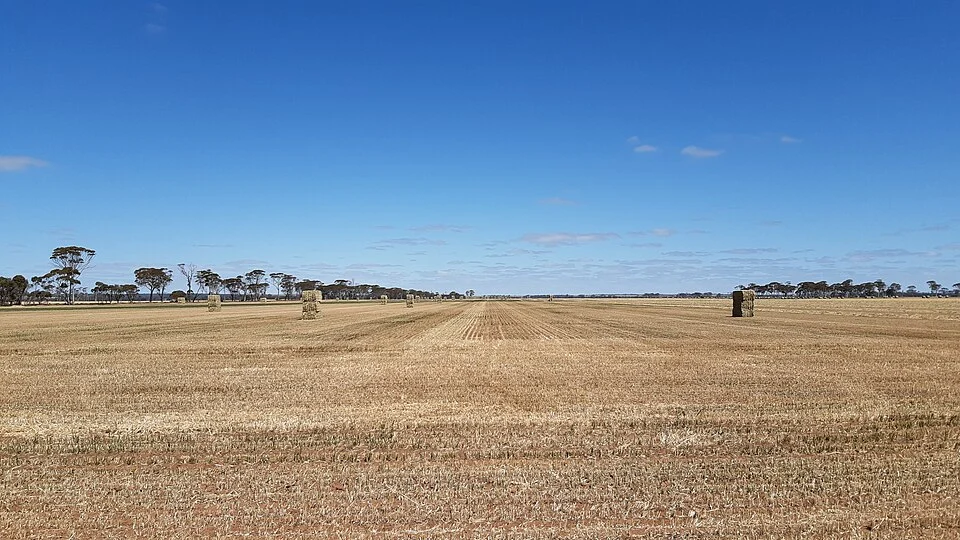
Western Australian growers delivered more than 2.5 million tonnes of grain to CBH in the week covered by its 16 November harvest report, despite rain interrupting deliveries in parts of the state. For operators taking off short, uneven crops, one useful check when the header starts again is to look for whole heads on the ground. Grain that never made it over the cutter bar cannot be recovered by adjusting the threshing settings.
WA’s Department of Primary Industries and Regional Development added advice on harvesting low crops to its seasonal harvest resources on 29 September. Its field guide to short and patchy crops (PDF) draws on a survey of 41 paddocks near Merredin in 2003. Wheat losses averaged 61 kilograms a hectare, with 90 per cent of the lost grain still in heads on the ground. Those measurements show what to look for; they are not an estimate of losses in this year’s crop.
Separate front losses from grain leaving the machine
Some grain sheds before harvest. More can fall when the knife or reel strikes a head, or escape through the back of the machine. The guide explains how drop trays can help operators distinguish losses at the front from losses during threshing and cleaning. Measuring again after an adjustment gives the crew a way to tell whether it helped.
The department also flags a decision for after the header leaves. Where a short crop leaves sparse stubble, it advises restricting grazing and keeping vehicle movements to a minimum to protect bare ground through summer and autumn.
Related Articles

Tongala dairy manufacturing rebuild reaches 30 full-time staff
Austrade reports that Tongala Nutrition has rebuilt production at a former dairy factory and grown to 30 full-time staff, predominantly in regional Victoria.
Read More about Tongala dairy manufacturing rebuild reaches 30 full-time staff →

Heavy rains across Victoria bring relief and new challenges for farmers
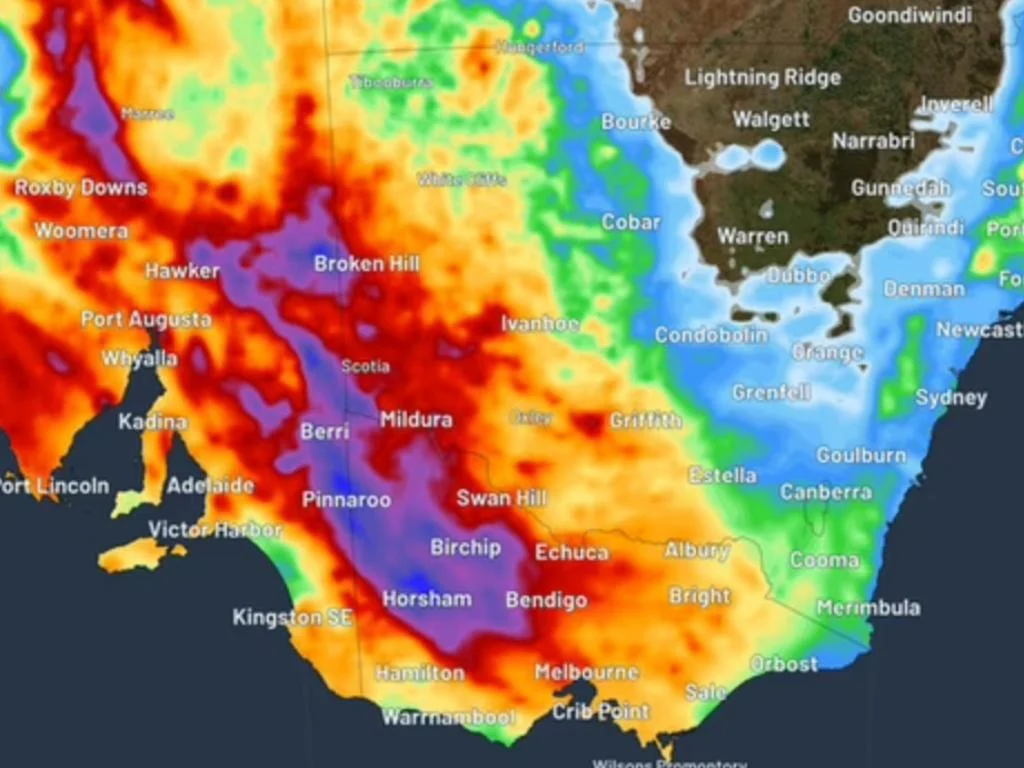
After months of dry conditions across much of Victoria and parts of southern New South Wales and South Australia, late-February and early-March rainfall delivered a dramatic change in seasonal conditions for many farming regions. For some growers, the rain marked the first meaningful break in up to seven months, bringing renewed optimism for the upcoming […]
Read More about Heavy rains across Victoria bring relief and new challenges for farmers →