

In January 2021, the Morrison government bestowed upon the farmers relief by providing them the temporary relaxation of student visas. Due to the pandemic and other unavoidable circumstances, various Australian industries were badly suffering from a shortage of labour. Amidst this, the agricultural industry was badly hit. Ernst &Young forecasted a labour gap of even 26,000 workers leading up to March 2021.
In order to adjust to these grave labour shortages, farmers have had to change their perspectives and look for other methods or labour sources. Even after doing this, several industries, including the agricultural and horticultural industry, are continuously facing this problem. Traditionally student visa holders have had a limited work capacity of 40 hours per fortnight. However, this is no longer the case and will be for the foreseeable future for several industries, one of which is the agricultural industry.
The temporary relaxation of the 40-hour rule will aid in addressing workforce shortages in the agricultural sector where adequate labour is currently in critical supply. Additionally, the Government has implemented the same relaxation of working hours for secondary visa holders, provided the primary visa holder has commenced their course and meets all other visa requirements. While this is excellent news for the agricultural industry, all employers must be prudent to recognise, overseas workers, including international students, have the same rights under Australian workplace law as all other employees.
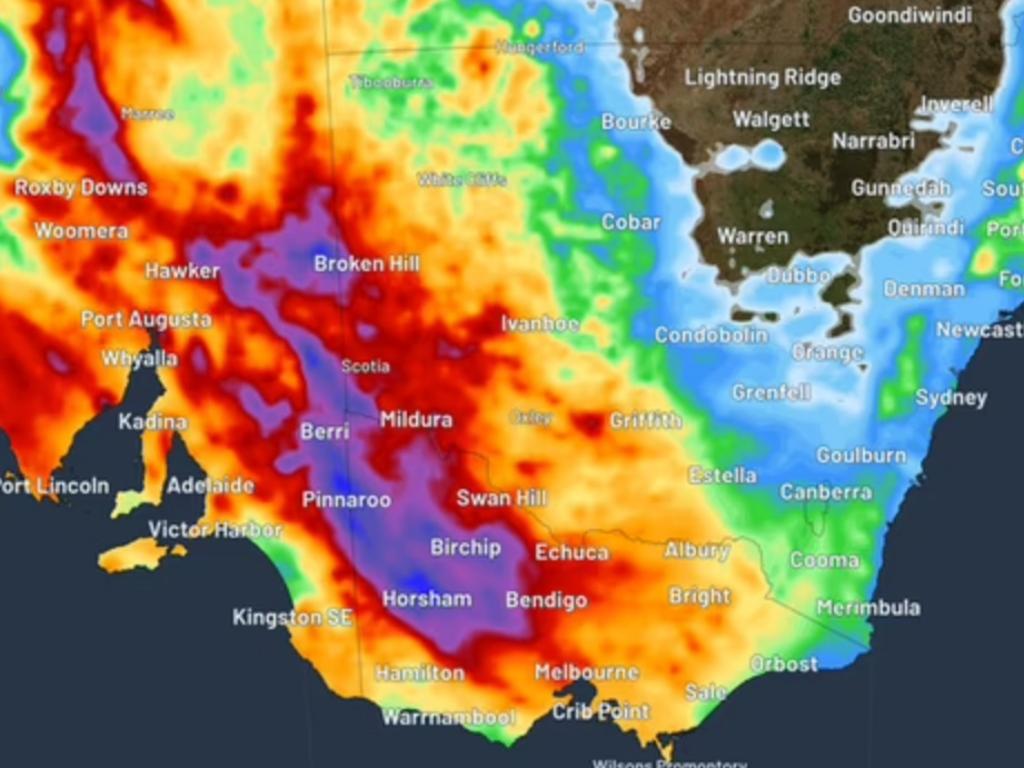
After months of dry conditions across much of Victoria and parts of southern New South Wales and South Australia, late-February and early-March rainfall delivered a dramatic change in seasonal conditions for many farming regions. For some growers, the rain marked the first meaningful break in up to seven months, bringing renewed optimism for the upcoming […]
Read More →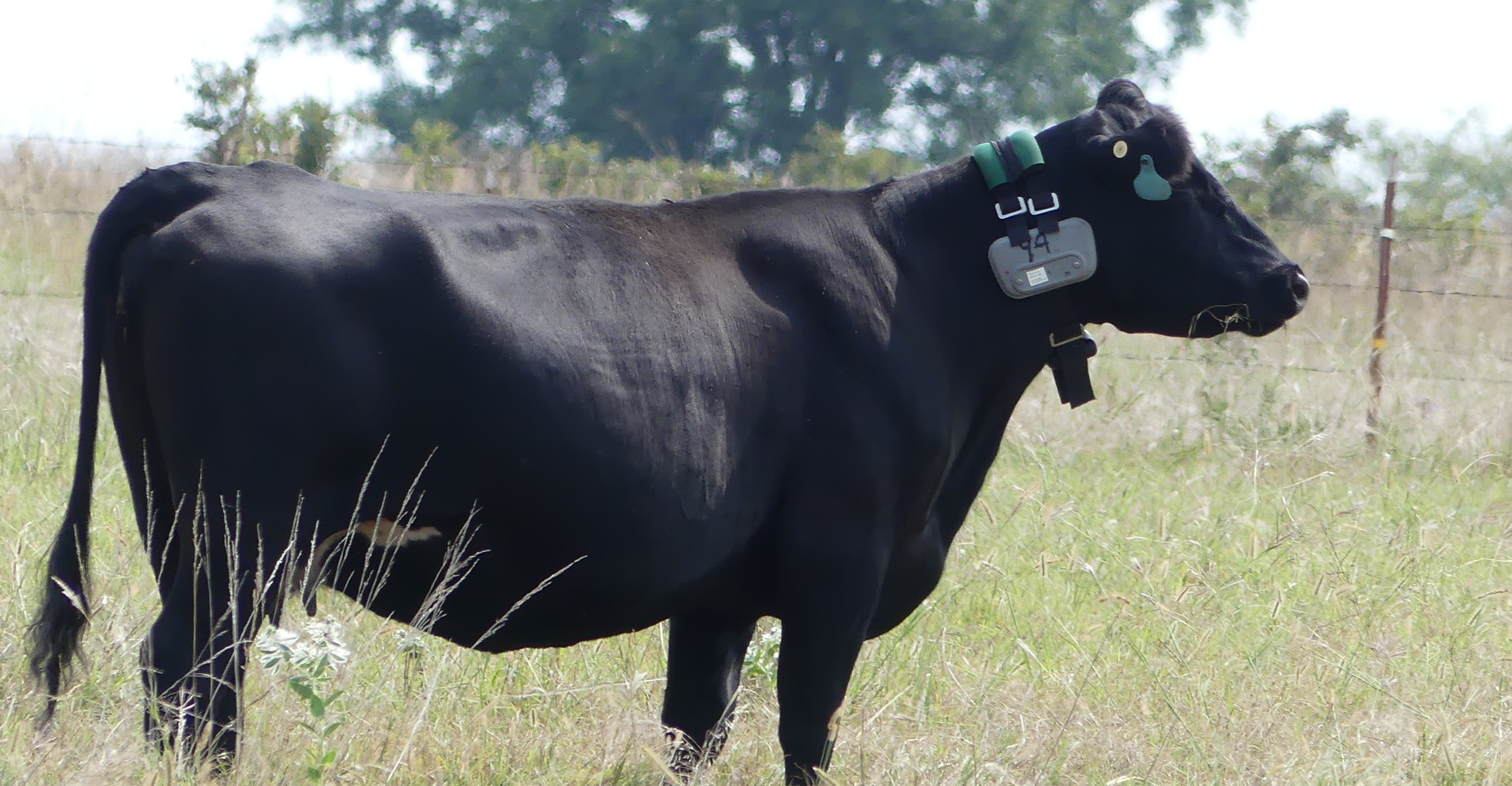
Victoria is preparing to adopt virtual fencing technology for cattle, bringing the state in line with Tasmania, Queensland and Western Australia. Under new regulations announced by Agriculture Minister Ros Spence, Victorian farmers will be able to implement GPS enabled collar systems from February next year, marking a major step forward in digital livestock management. Virtual […]
Read More →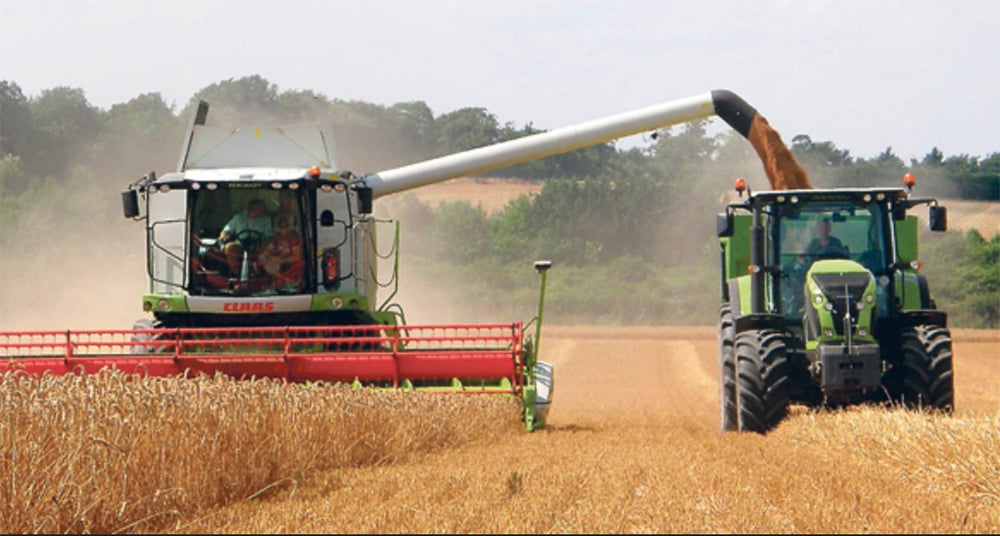
Australia’s grain industry is experiencing one of the strongest seasons in its history, with Western Australia leading a record breaking harvest across wheat, barley and other grains. New production data confirms that Australia is playing an increasingly critical role in stabilising global grain markets at a time of rising international demand and supply pressure. This […]
Read More →