
November 18, 2025 • ALL SEASONS WORKFORCE AUSTRALIA
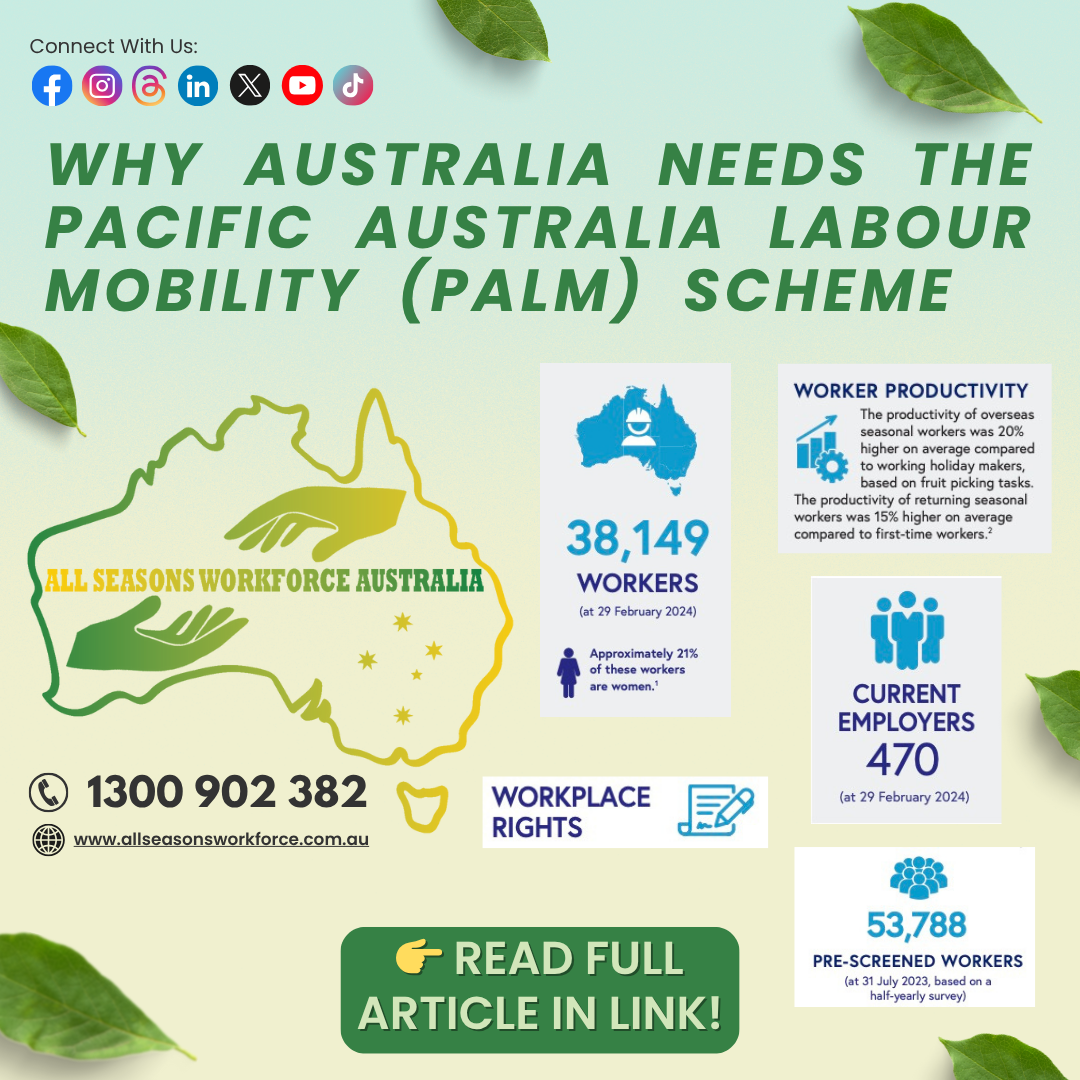
Australia’s agricultural, horticultural, meat processing and regional industries rely heavily on a stable and capable workforce. Yet for more than a decade, labour shortages have intensified across regional Australia, creating significant challenges for growers, processors and employers who depend on predictable seasonal and long-term staffing.
The Pacific Australia Labour Mobility (PALM) Scheme has become one of the most important solutions to this challenge, supporting essential industries while strengthening Australia’s partnerships with Pacific nations.
In this article, we explore why the PALM Scheme is vital for Australia, how it supports industry growth, and what it means for the future of workforce sustainability.
1. Addressing Critical Labour Shortages Across the Country
Seasonal and regional labour shortages continue to affect Australia’s ability to harvest crops, maintain farms, operate packing facilities and sustain food production systems. The shortage is particularly acute in:
2. Supporting Australia’s Food Security and Supply Chains
3. Providing a Highly Motivated, Reliable and Long-Term Workforce
4. Strengthening Australia’s Relationships with Pacific Nations
5. Ensuring Compliance, Worker Welfare and Fair Treatment
6. Building a Sustainable Workforce for Australia’s Future
7. How All Seasons Workforce Australia (ASWA) Supports the PALM Scheme and Australian Employers
Australia needs the PALM Scheme, not just to fill jobs, but to secure the future of our food systems, our regional economies and our international partnerships.
If your business is preparing for seasonal peaks, long-term workforce planning or exploring how the PALM Scheme can support your operations, All Seasons Workforce Australia (ASWA) is here to help.
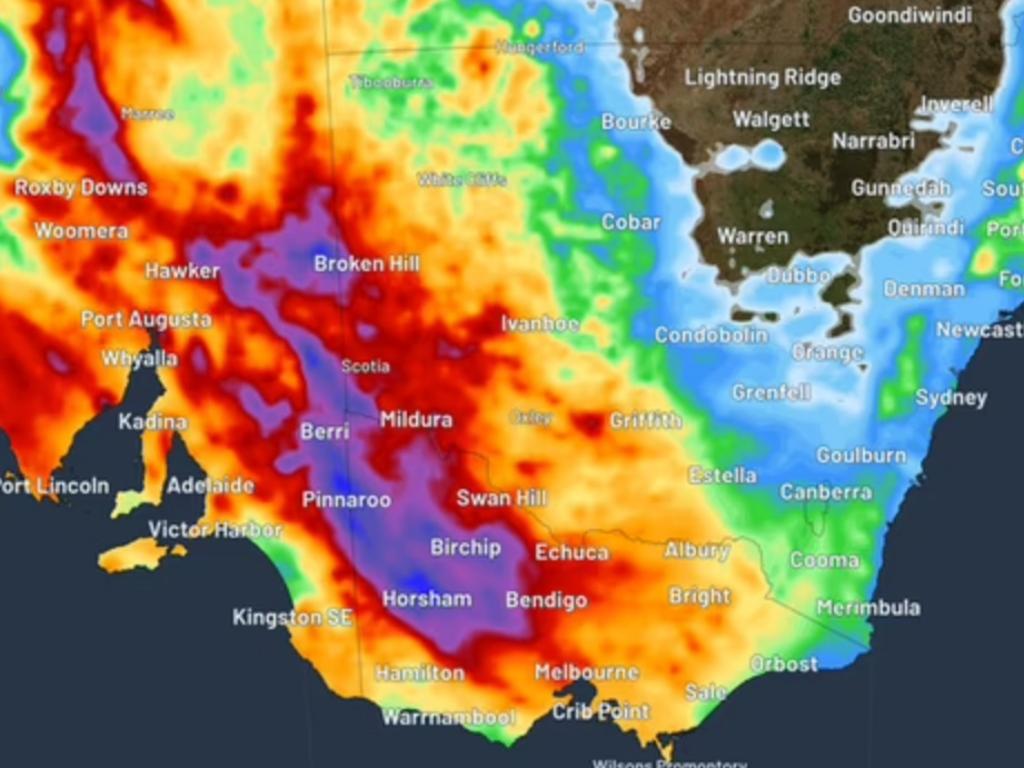
After months of dry conditions across much of Victoria and parts of southern New South Wales and South Australia, late-February and early-March rainfall delivered a dramatic change in seasonal conditions for many farming regions. For some growers, the rain marked the first meaningful break in up to seven months, bringing renewed optimism for the upcoming […]
Read More →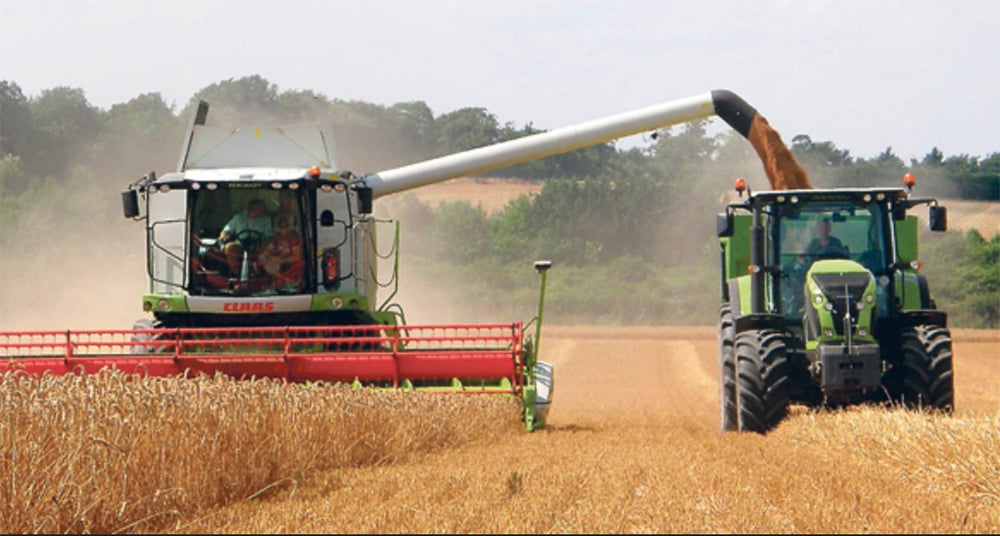
Australia’s grain industry is experiencing one of the strongest seasons in its history, with Western Australia leading a record breaking harvest across wheat, barley and other grains. New production data confirms that Australia is playing an increasingly critical role in stabilising global grain markets at a time of rising international demand and supply pressure. This […]
Read More →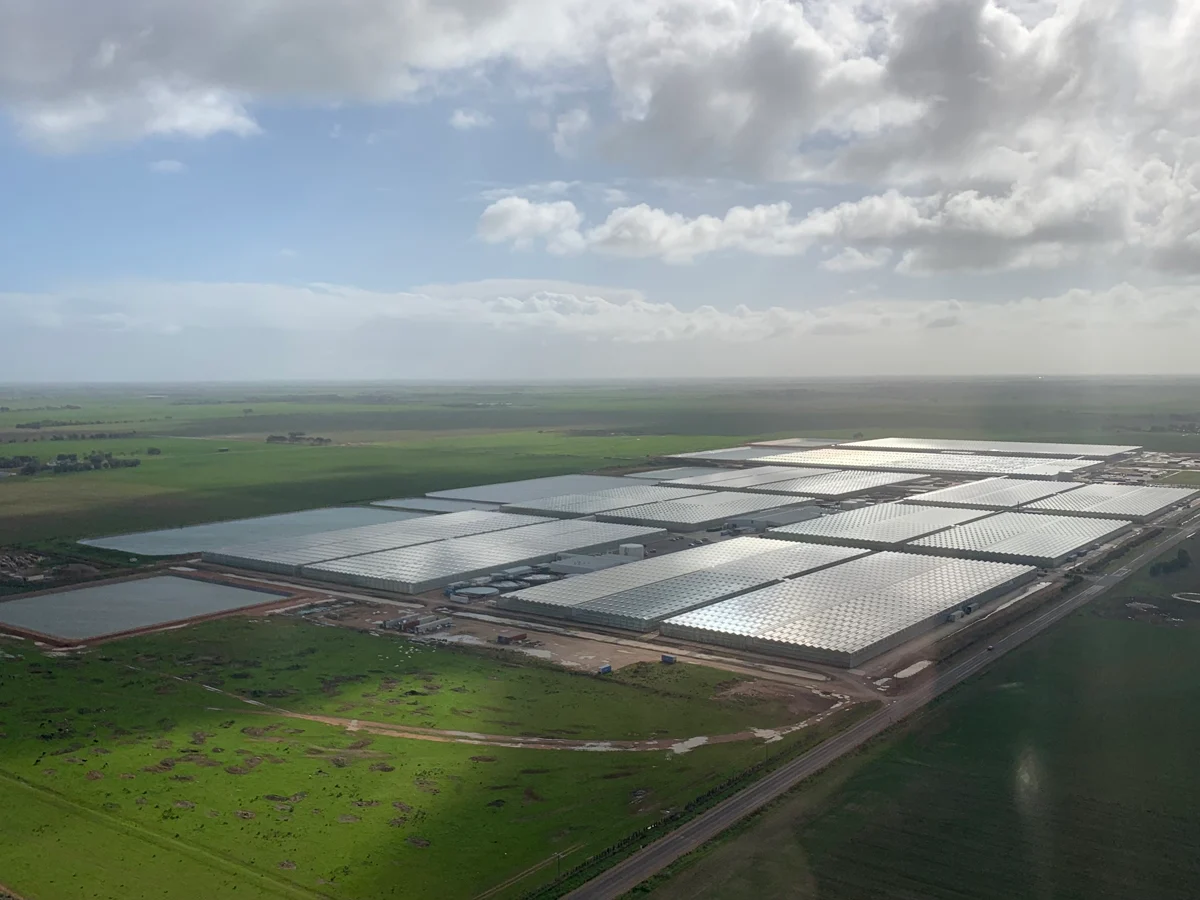
Australia’s protected cropping sector has reached another major milestone, with a $168 million acquisition of the country’s largest hydroponic glasshouse facility at Two Wells, South Australia. The purchase, led by Centuria Capital, highlights the growing appetite for agricultural assets as investors seek resilient, long-term opportunities tied to food security and high-value horticulture. Located approximately 50 […]
Read More →