
July 24, 2024 • ALL SEASONS WORKFORCE AUSTRALIA

Australian Bureau of Agricultural and Resource Economics and Sciences (ABARES) says while the horticulture industry will suffer significantly from labour shortage, there are some opportunities from high domestic demand.
A senior industry economist at ABARES, Charley Xia, told this week’s Outlook 2021 conference that there are two key factors driving up prices; labour shortage affected by workforce challenges and retail demand. The pandemic forced many Australians to stay at home and the closure of borders. This resulted in reduced labour supply for the sector. While seasonal conditions improved in most growing regions, especially for those in New South Wales and Queensland, there were significant issues in harvesting that produce in order to meet that increased demand. This issue can completely be drawn back to labour shortage. With harvests now moved across to the southern growing regions, during summer and autumn, we are forecasting production losses.
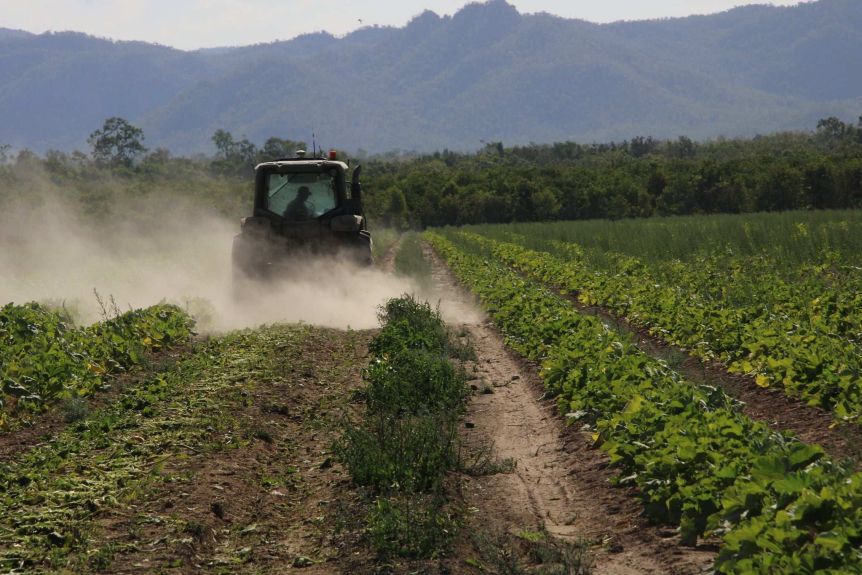
Earlier in the week, ABARES reported that the labour shortage amongst overseas harvest workers, particularly from the Working Holiday Maker program, will result in a forecast drop in fruit production by as much as 17 per cent and vegetable production by around 2 per cent. This drop in production will ultimately impact consumers, with ABARES forecasting prices to increase between 7-29 per cent.
Those prices are expected to remain high in this financial year and into the next. We think that production losses will be most significant right now in late summer and early autumn. This has been informed by farm survey data, showing that the employment of casual and contract labour on horticulture farms. In 2018-19, numbers fluctuated around 80,000 workers per month from July to January before spiking to 120,000 in February. Overseas workers, mainly backpackers were the majority of those employed. Hence, the problem of labour shortage is transforming into a grave hurdle.
He added that with international borders unlikely to reopen in the short term, this is leading to labour shortage and to make up for the losses of these workers in regional areas. This means that the impacts of labour shortages on regions and produce will be felt differently, with the biggest disruptions taking place right now.
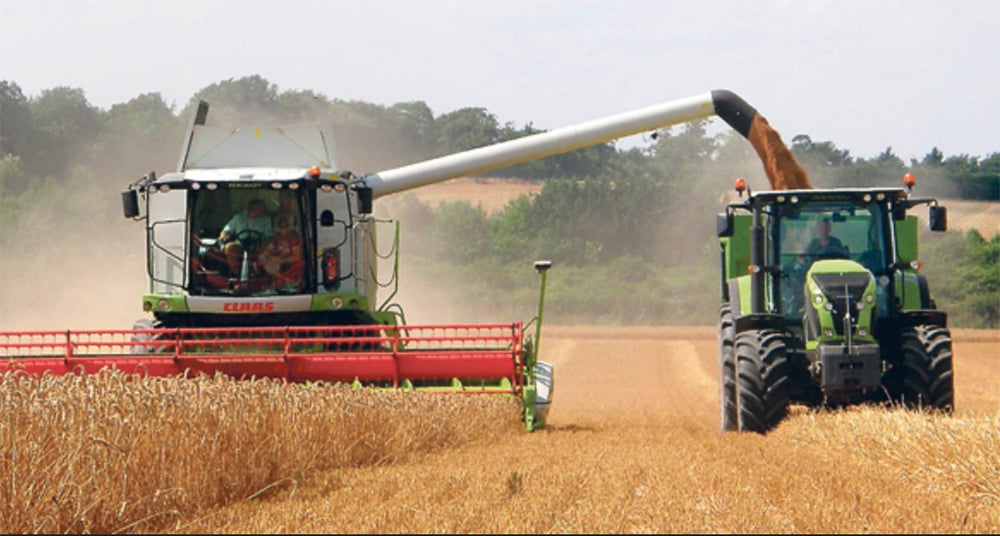
Australia’s grain industry is experiencing one of the strongest seasons in its history, with Western Australia leading a record breaking harvest across wheat, barley and other grains. New production data confirms that Australia is playing an increasingly critical role in stabilising global grain markets at a time of rising international demand and supply pressure. This […]
Read More →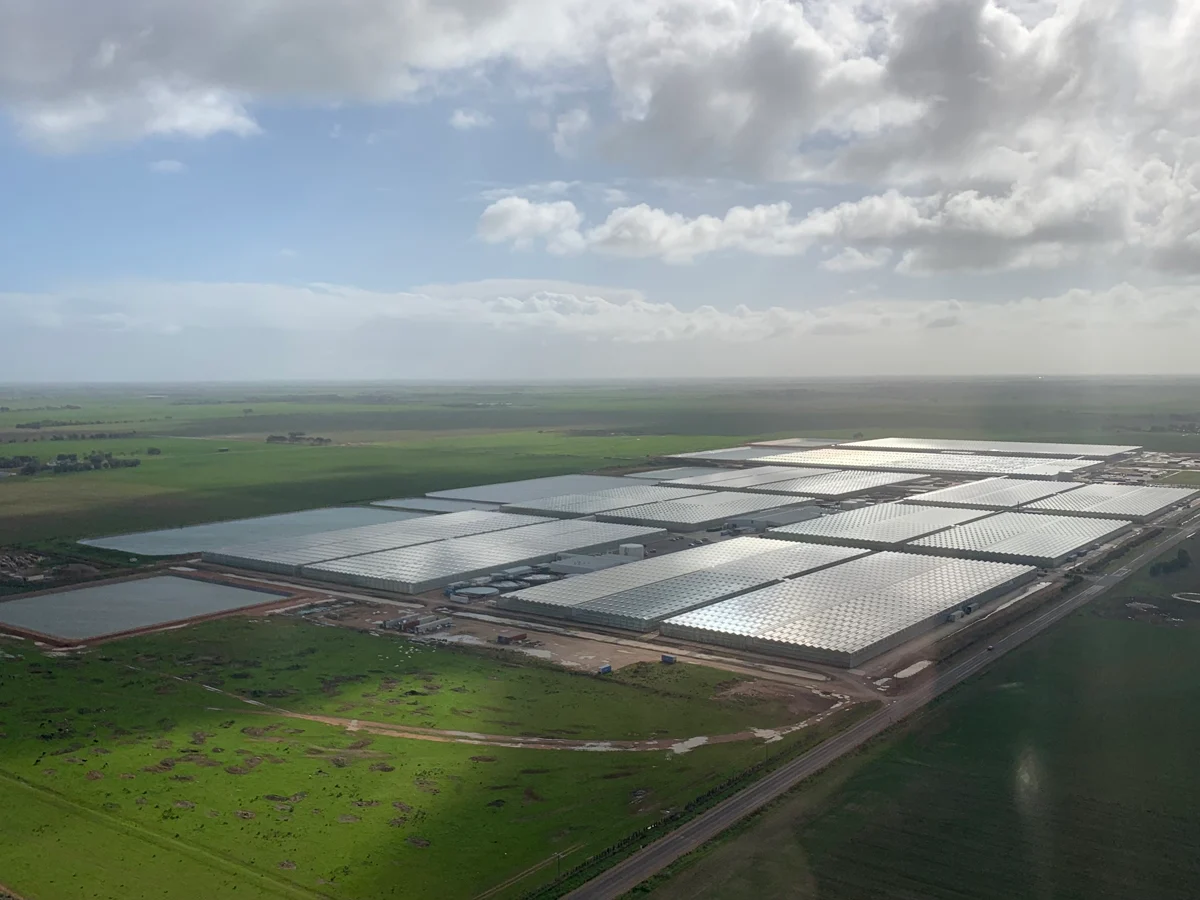
Australia’s protected cropping sector has reached another major milestone, with a $168 million acquisition of the country’s largest hydroponic glasshouse facility at Two Wells, South Australia. The purchase, led by Centuria Capital, highlights the growing appetite for agricultural assets as investors seek resilient, long-term opportunities tied to food security and high-value horticulture. Located approximately 50 […]
Read More →
Australia’s regional industries such as agriculture and horticulture rely on machinery that must run reliably, especially during high-intensity periods such as harvest, planting and peak processing. However, for years, farmers have faced costly delays, restricted access to diagnostic tools and limited repair options due to manufacturer-controlled repair systems. The national push for a Right to […]
Read More →