
November 30, 2025 • ALL SEASONS WORKFORCE AUSTRALIA
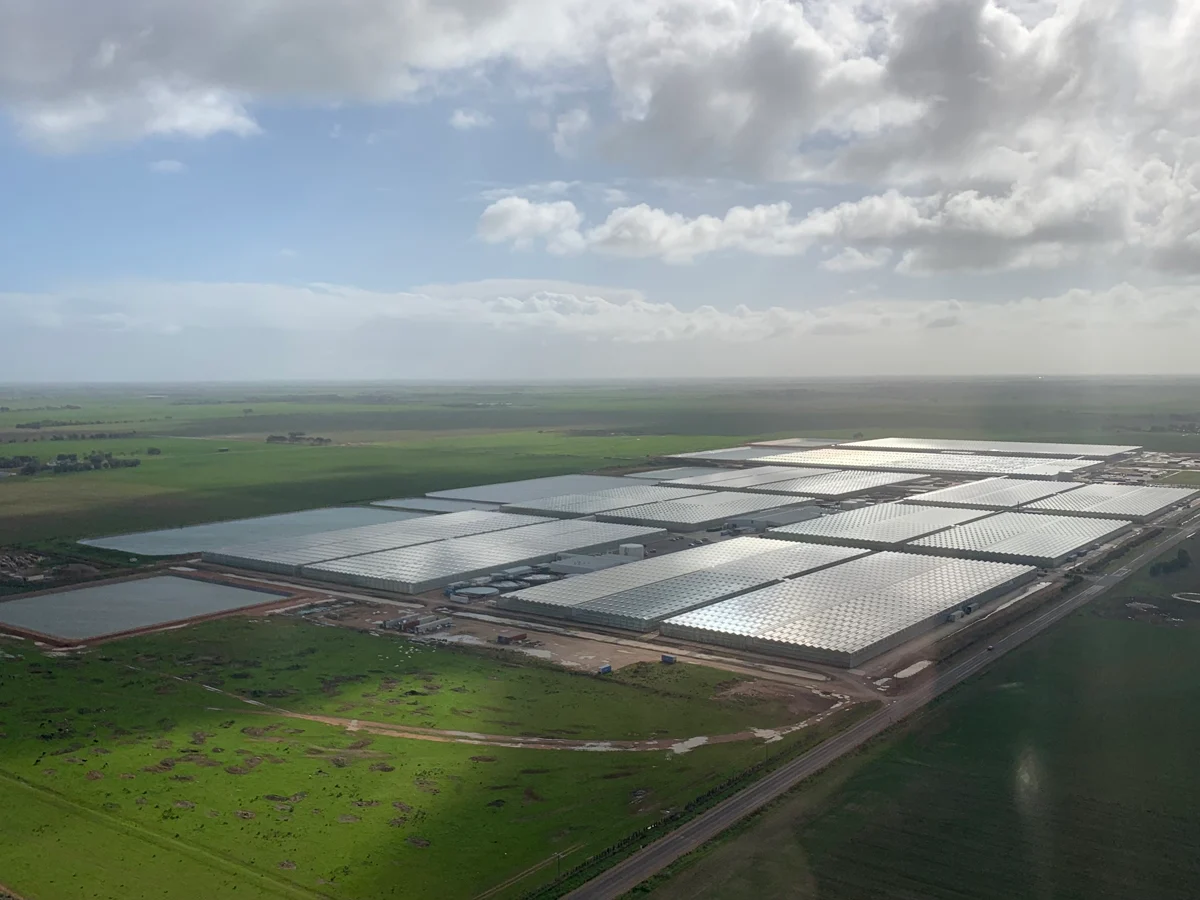
Australia’s protected cropping sector has reached another major milestone, with a $168 million acquisition of the country’s largest hydroponic glasshouse facility at Two Wells, South Australia. The purchase, led by Centuria Capital, highlights the growing appetite for agricultural assets as investors seek resilient, long-term opportunities tied to food security and high-value horticulture.
Located approximately 50 kilometres north of Adelaide, the Two Wells site is a large-scale, technologically advanced facility spanning five individual glasshouses across 45 hectares. Together, they form the largest glasshouse operation in the southern hemisphere.
The acquisition was completed by Centuria Capital, a leading Australian fund manager, as part of its expansion into agricultural and agribusiness real estate. The facility was previously owned by Fresh Country Farms of Australia, backed by Canada’s PSP Investments, one of the largest agricultural investors in the country.
With this acquisition, the facility will now be held within the Centuria Agriculture Fund, supported by a 17-year lease to Perfection Fresh, ensuring long-term operational stability.
Perfection Fresh, one of Australia’s largest fresh produce companies operates the site and supplies premium produce to major supermarkets, airlines and food service businesses.
Crops include:
– Snacking tomatoes
– Qukes® baby cucumbers
– Broccolini
– Calypso mangoes
The facility also features extensive irrigation infrastructure, dams and a packing shed across the 166 hectare site.
Australia’s protected cropping sector has become increasingly attractive for institutional investors due to:
– Rising consumer demand for premium, greenhouse-grown produce
– Higher yields and year-round production
– Strong export potential
– Increased climate resilience
– Predictable, long-term leases
Centuria’s acquisition expands its agricultural exposure to over $820 million, including more than 150 hectares of glasshouse assets.
This deal follows a wave of investor interest in the sector. Notable movements include:
– Macquarie Asset Management acquiring a $175 million controlling stake in Fresh Produce Group
– Roc Partners expanding into protected cropping and fresh produce
– Ongoing consolidation among major players such as Premier Fresh and Costa Group
Such investment signals a strong future for high-value horticulture and reinforces the importance of stable labour supply to keep production running at scale.
Large glasshouse and protected cropping facilities rely heavily on a dependable workforce to operate effectively. These operations require:
– Crop care teams
– Picking and harvesting staff
– Packing shed workers
– Irrigation and technical support
– Seasonal and peak period labour
– Maintenance and facility operations staff
As investment into agricultural assets grows, so too does the need for compliant, reliable and flexible workforce solutions.
At All Seasons Workforce Australia (ASWA), we support operators, growers, packers with:
– Seasonal and long-term workforce supply
– Recruitment and onboarding
– PALM Scheme workforce integration & management
– Accommodation and welfare coordination
– Compliance with labour hire and safety requirements
A strong agricultural future depends on a strong workforce and All Seasons Workforce Australia (ASWA) is proud to contribute to the sustainability and growth of Australia’s food production sector.
The $168 million sale of Australia’s largest hydroponic glasshouse marks a significant shift in the protected cropping landscape. With more institutional investors entering the horticulture and agribusiness space, the demand for stable, compliant and skilled labour will only intensify.
As the sector grows, All Seasons Workforce Australia (ASWA) remains committed to supporting agricultural businesses with trusted workforce solutions that keep Australian food production thriving.
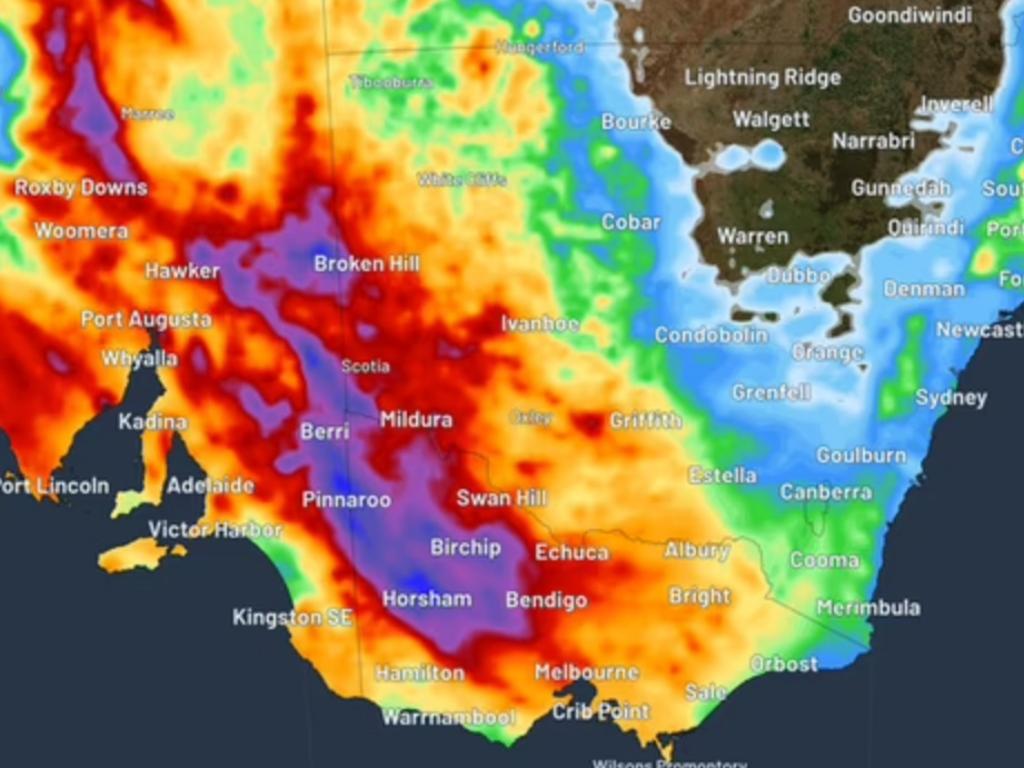
After months of dry conditions across much of Victoria and parts of southern New South Wales and South Australia, late-February and early-March rainfall delivered a dramatic change in seasonal conditions for many farming regions. For some growers, the rain marked the first meaningful break in up to seven months, bringing renewed optimism for the upcoming […]
Read More →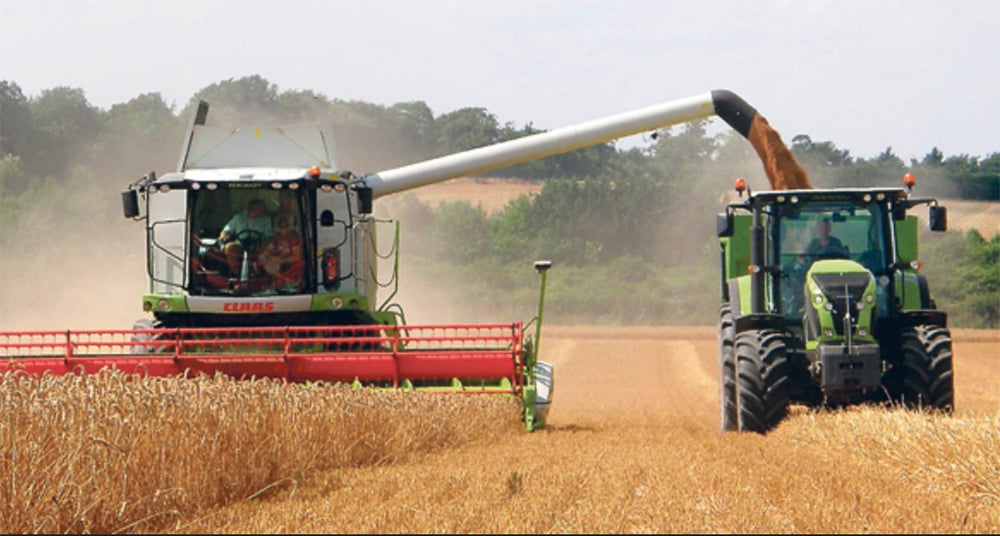
Australia’s grain industry is experiencing one of the strongest seasons in its history, with Western Australia leading a record breaking harvest across wheat, barley and other grains. New production data confirms that Australia is playing an increasingly critical role in stabilising global grain markets at a time of rising international demand and supply pressure. This […]
Read More →
Australia’s regional industries such as agriculture and horticulture rely on machinery that must run reliably, especially during high-intensity periods such as harvest, planting and peak processing. However, for years, farmers have faced costly delays, restricted access to diagnostic tools and limited repair options due to manufacturer-controlled repair systems. The national push for a Right to […]
Read More →