
March 4, 2026 • ALL SEASONS WORKFORCE AUSTRALIA
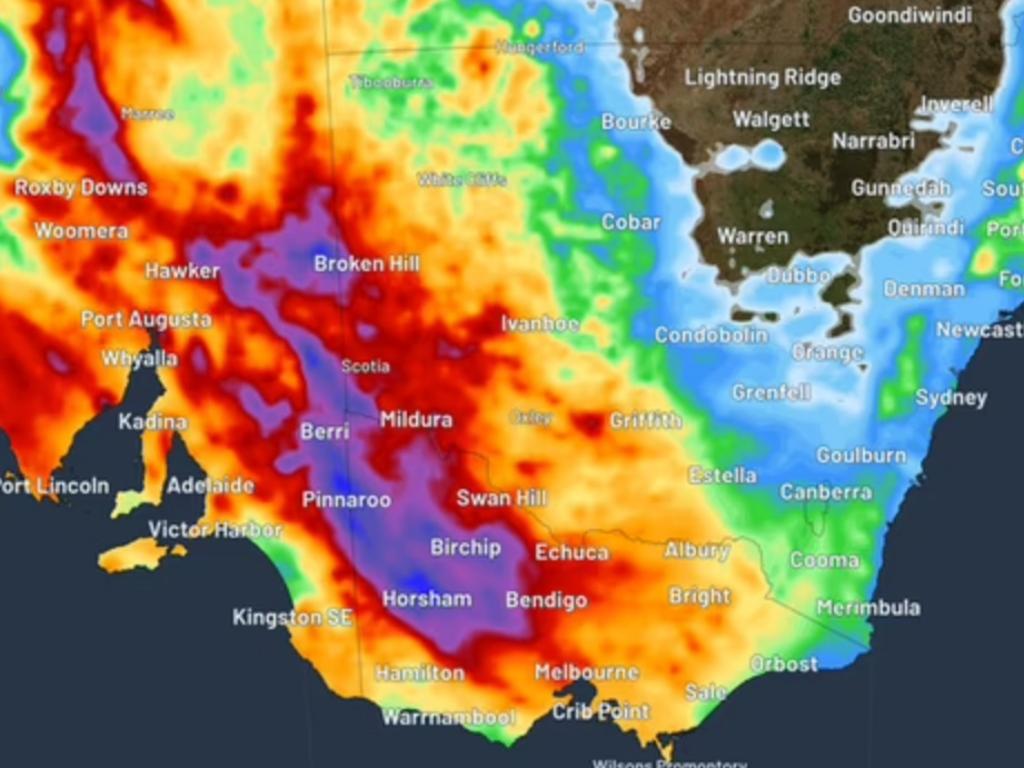
After months of dry conditions across much of Victoria and parts of southern New South Wales and South Australia, late-February and early-March rainfall delivered a dramatic change in seasonal conditions for many farming regions.
For some growers, the rain marked the first meaningful break in up to seven months, bringing renewed optimism for the upcoming winter cropping season. However, the same weather system also caused local flooding, crop damage and logistical disruptions, highlighting the unpredictable nature of Australia’s climate.
Throughout summer 2025–26, many agricultural regions across Victoria recorded well below average rainfall, with some areas experiencing critically low soil moisture and dwindling stock water supplies.
When a large weather system moved across south-eastern Australia in late February, several regions recorded substantial rainfall totals within a matter of days.
Reported rainfall totals included:
– More than 150 mm in alpine and north-east catchments
– Over 100 mm in parts of north-east Victoria
– Between 40 mm and 70 mm across several Riverina and Gippsland areas
– Up to 197 mm in parts of the Mallee region
– Around 160 mm recorded near Horsham in the Wimmera
In some districts, the rainfall exceeded what had fallen during the entire summer period.
For many farmers, the rain immediately improved soil moisture profiles, pasture growth potential and water availability for livestock.
The rainfall arrived just weeks before the start of winter crop sowing across many regions.
In cropping areas across the Mallee, Wimmera and northern Victoria, growers reported that the rain would help:
– replenish soil moisture before sowing
– reduce irrigation demand
– support early pasture growth
– lower bushfire risk after a hot summer
Some farmers who had been considering reducing crop plantings due to dry conditions have now regained confidence in the coming season.
The rainfall also helped refill dams and restart creek flows in several districts where waterways had previously dried up.
While the rain delivered welcome relief in many agricultural districts, it also created significant flooding and storm damage in other areas.
Emergency services across Victoria responded to hundreds of requests for assistance, including:
– flooding of homes and businesses
– fallen trees
– damaged buildings
– blocked roads and transport disruptions
In northern Victoria towns such as Kyabram, residents reported backyard flooding and water entering properties after intense downpours.
Motorists were also warned to avoid driving through floodwaters after multiple vehicles became trapped during the event.
For some horticultural producers, particularly in the Sunraysia region, the timing of the rain created new challenges.
Heavy rainfall close to harvest resulted in significant damage to wine grape crops, with industry estimates suggesting that tens of thousands of tonnes of grapes may have been lost due to splitting and quality deterioration.
Such events highlight the difficult balance farmers face between needing rainfall for soil moisture and avoiding extreme weather during sensitive harvest periods.
Meteorologists reported that the rainfall was caused by a slow-moving low-pressure system interacting with tropical moisture, creating a broad rain band across inland South Australia, western Victoria, and parts of New South Wales.
In some regions, rainfall totals within 48 hours approached levels typically seen only during major seasonal weather events.
While the rainfall delivered relief after prolonged dryness, authorities warned that such intense bursts can increase the risk of flash flooding and storm damage, particularly when dry ground struggles to absorb heavy rain quickly.
Extreme weather events often create operational challenges for agricultural businesses, including:
– delayed harvesting
– restricted paddock access due to wet ground
– crop damage assessments
– increased repair and recovery work
– livestock management adjustments
At times like these, flexible and reliable workforce support becomes critical for producers needing to adapt quickly to changing conditions.
At All Seasons Workforce Australia (ASWA), we recognise that weather events can dramatically affect farming operations and workforce needs.
Whether producers are managing drought conditions, responding to flooding or preparing for the next cropping season, reliable labour support remains essential to maintaining productivity and resilience across Australia’s agricultural sector.
ASWA continues to support farmers, growers and agribusinesses with compliant, dependable workforce solutions across multiple agricultural industries.
The late-summer rainfall across Victoria delivered a mix of relief, recovery and renewed optimism for many farming communities following months of dry conditions.
While some regions experienced flooding and crop losses, the widespread rainfall has helped rebuild soil moisture and restore confidence ahead of the upcoming winter cropping season.
As Australia’s agricultural sector continues to face increasingly variable weather patterns, adaptability, resilience and reliable workforce support will remain essential for long-term success.
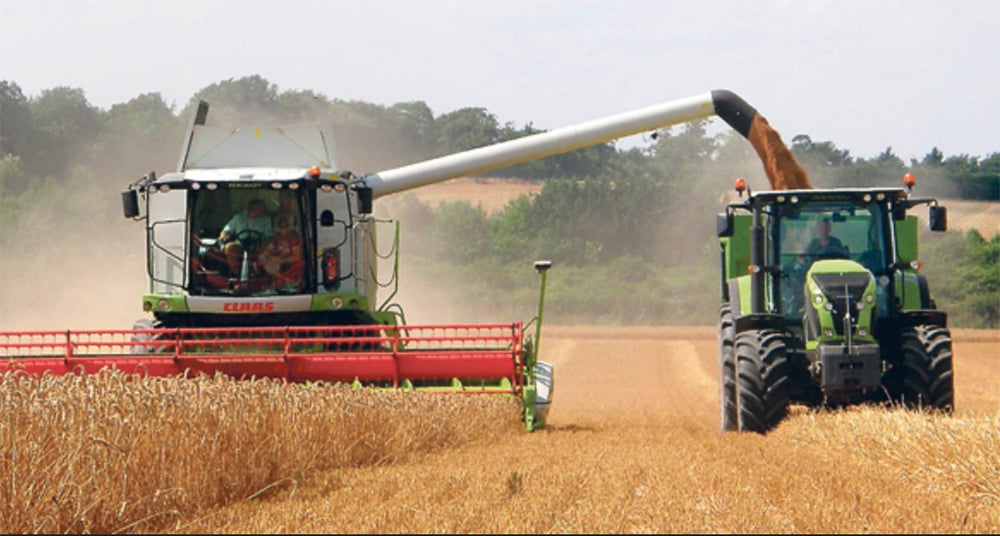
Australia’s grain industry is experiencing one of the strongest seasons in its history, with Western Australia leading a record breaking harvest across wheat, barley and other grains. New production data confirms that Australia is playing an increasingly critical role in stabilising global grain markets at a time of rising international demand and supply pressure. This […]
Read More →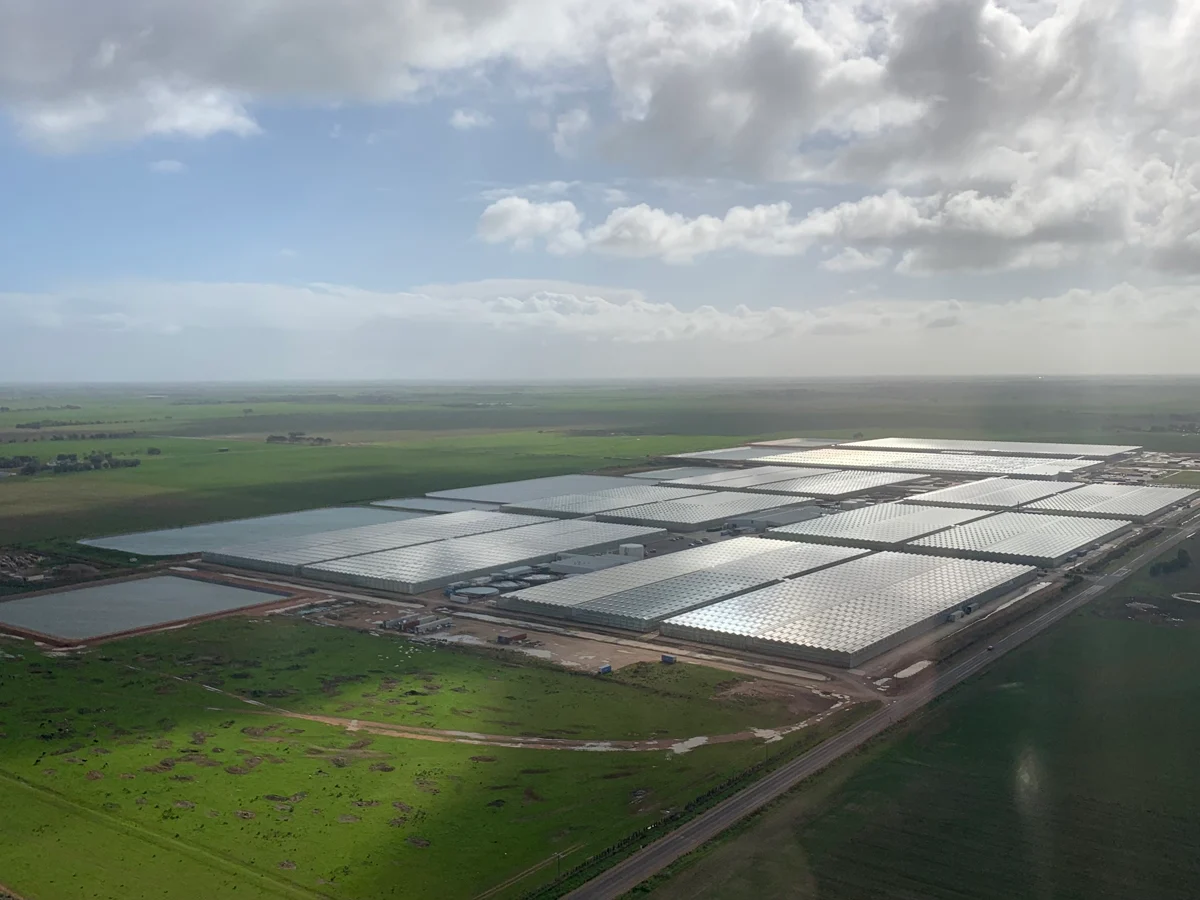
Australia’s protected cropping sector has reached another major milestone, with a $168 million acquisition of the country’s largest hydroponic glasshouse facility at Two Wells, South Australia. The purchase, led by Centuria Capital, highlights the growing appetite for agricultural assets as investors seek resilient, long-term opportunities tied to food security and high-value horticulture. Located approximately 50 […]
Read More →
Australia’s regional industries such as agriculture and horticulture rely on machinery that must run reliably, especially during high-intensity periods such as harvest, planting and peak processing. However, for years, farmers have faced costly delays, restricted access to diagnostic tools and limited repair options due to manufacturer-controlled repair systems. The national push for a Right to […]
Read More →