
Tongala dairy manufacturing rebuild reaches 30 full-time staff
November 18, 2026 • ALL SEASONS WORKFORCE AUSTRALIA
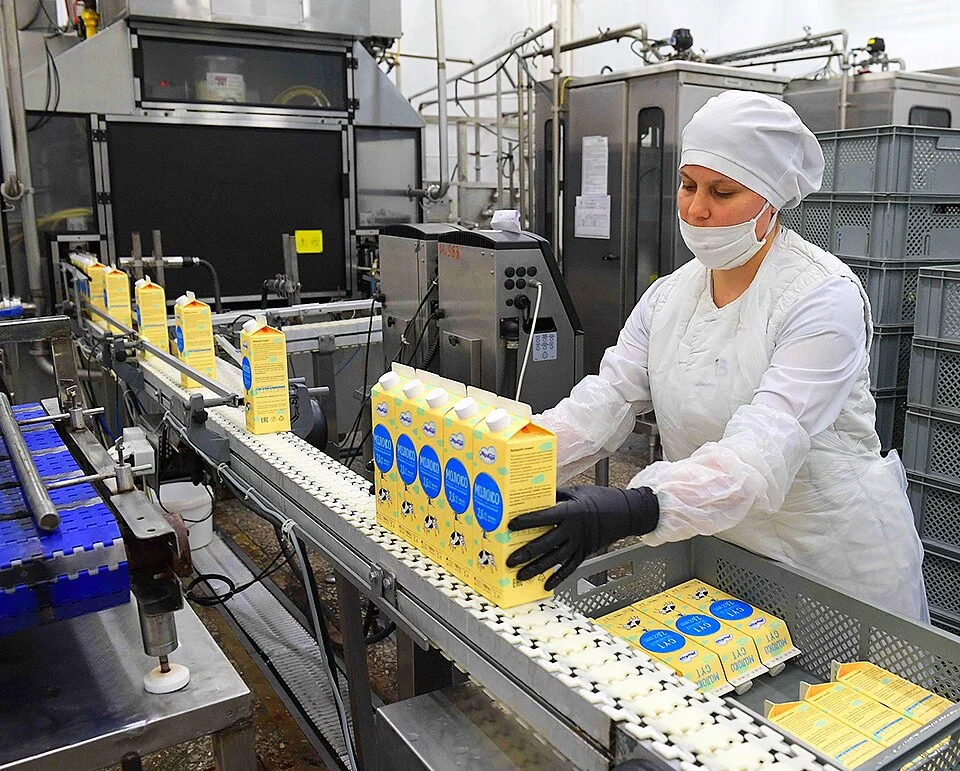
A former Nestlé dairy manufacturing facility in Tongala is operating again under Tongala Nutrition, with a workforce that has grown from one employee in 2024 to 30 full-time staff in 2026. Austrade’s account, published on 15 October, says the team works predominantly in regional Victoria.
The company began commercial production in November 2024 after recommissioning the facility. Austrade describes a rebuild that involved recruiting and training workers, restoring operating capability and establishing food-safety and quality systems.
Existing factory, new production capability
Tongala Nutrition now makes ultra-high-temperature, or UHT, and extended shelf-life beverages, with capability across dairy and non-dairy products. It works with Australian brands and retailers while pursuing export opportunities.
Austrade reports that the facility has obtained a Victorian dairy manufacturing licence, BRCGS Grade A certification and Australian Government export registration. The company also received $1.5 million through the Victorian Investment Fund in 2026 to support further growth.
Skills matter alongside equipment
For regional employers, the workforce history is a useful part of the story. Reopening an established factory required the business to recruit and train a production team as well as bring equipment back into service.
The company wants closer links with universities, technical institutions and industry partners to support product development and workforce skills. Its plans include expanding into additional dairy ingredients, though those ambitions should be distinguished from production already under way.
Workers researching regional manufacturing can use the Tongala example to understand the mix of production, quality and technical capability involved in a restart. The reported staff total describes the company’s growth; it should not be read as an announcement of 30 vacancies.
Related Articles

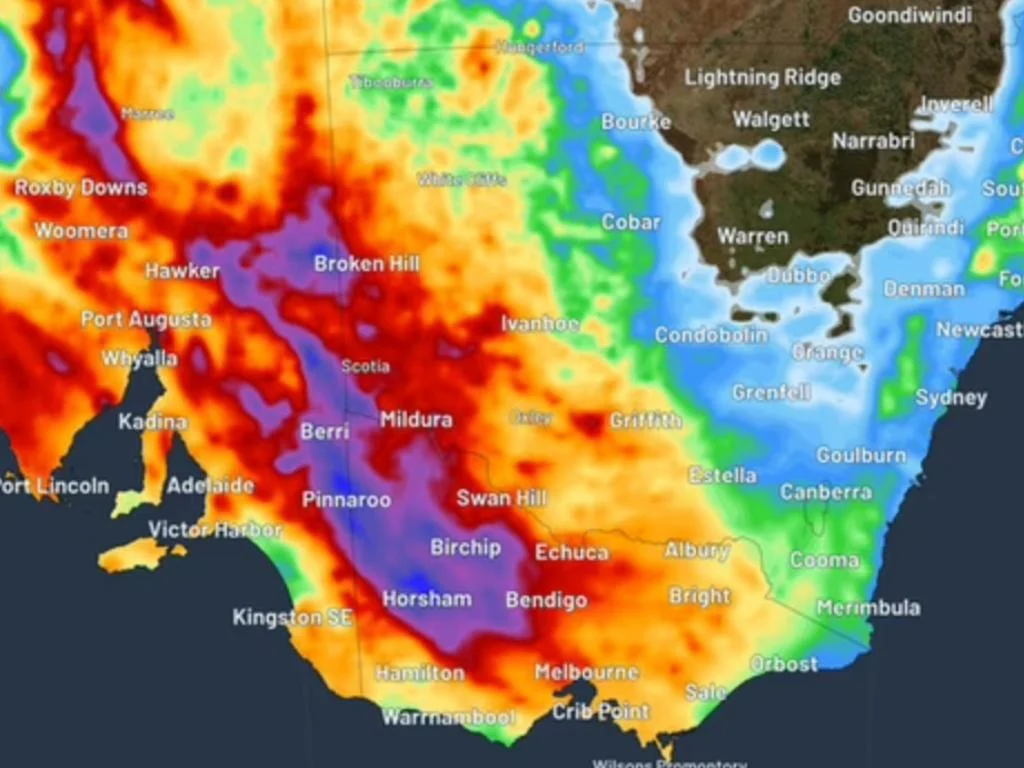
Heavy rains across Victoria bring relief and new challenges for farmers
After months of dry conditions across much of Victoria and parts of southern New South Wales and South Australia, late-February and early-March rainfall delivered a dramatic change in seasonal conditions for many farming regions. For some growers, the rain marked the first meaningful break in up to seven months, bringing renewed optimism for the upcoming […]
Read More about Heavy rains across Victoria bring relief and new challenges for farmers →