June 25, 2024 • ALL SEASONS WORKFORCE AUSTRALIA

Nuts and seeds are an excellent source of protein, minerals and vitamins. Hence, the Australian Dietary Guidelines recommend that all individuals should include nuts in their everyday diet. Moreover, Australia is a country that focuses on its import and export of nuts. In fact, as of June 2020, approximately 230,225 tonnes of in-shell nuts were produced. The kernel weight of this amounts to 140,676 tonnes. Furthermore, the total value of this production was worth more than $1,377.7 million, whereas the wholesale value of in-shell and kernel nuts was $1,454.3 million. In fact, it has also been noted that about 54% of Australian households purchase nuts while they shop for groceries. Additionally, the supply per capita was 4.6 kg, based on the volume that was supplied.
Tree nuts are grown all over the world, and most types are grown here in Australia. Tree nuts have been grown in Australia for over 100 years, with productivity increasing. The only nuts that aren’t grown at all in Australia are Brazil nuts, as they need the rainforests of the Amazon to grow. Almonds are grown in several regions in Australia, with five major growing regions: Adelaide and the Riverland (South Australia); Sunraysia (Victoria); Riverina (New South Wales); Swan Region (Western Australia). Almonds are also grown in the USA and Spain. Australia is the second-largest producer of almonds in the world, behind California, USA.
STATISTICS OF NUTS IN AUSTRALIA
If the agricultural data, collected in 2020, is carefully examined, then it can be concluded that the productions rate (in tonnes) has increased by 14%. Moreover, the production area of these had also expanded by over 8%. It is essential to note that the volume of productions has risen to 44,815; that amounts to 15% more than the previous year, 2019. Lastly, the import and export figures are integrally related to a country’s economy. When it comes to this category, the import value was recorded at $464.3 million; 8% more than the previous year. Similarly, the export value was $1005.9; a stark increase when compared to the values of the past year.
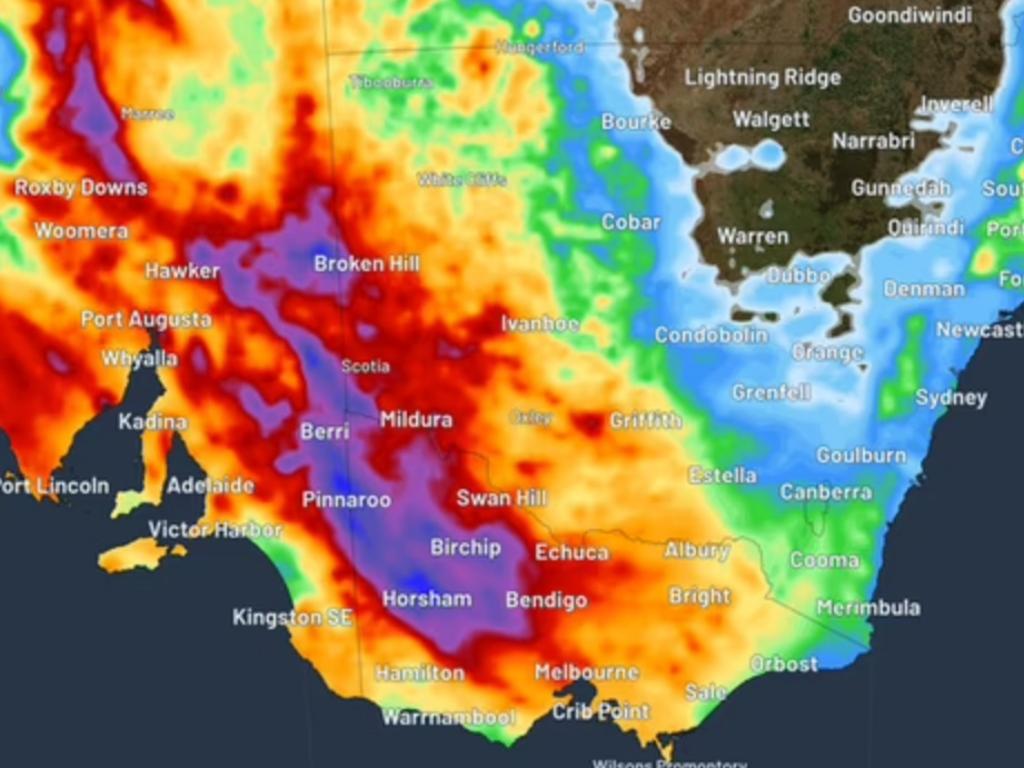
After months of dry conditions across much of Victoria and parts of southern New South Wales and South Australia, late-February and early-March rainfall delivered a dramatic change in seasonal conditions for many farming regions. For some growers, the rain marked the first meaningful break in up to seven months, bringing renewed optimism for the upcoming […]
Read More →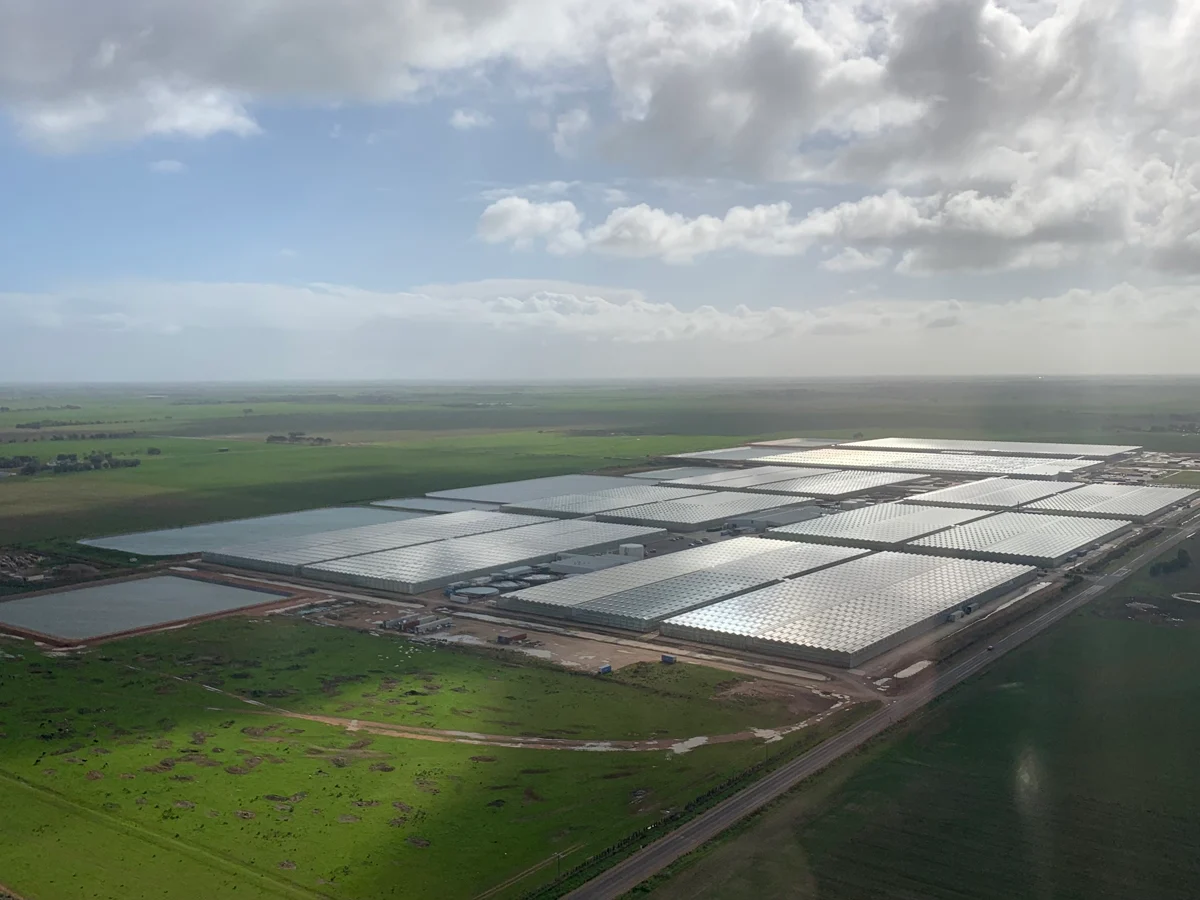
Australia’s protected cropping sector has reached another major milestone, with a $168 million acquisition of the country’s largest hydroponic glasshouse facility at Two Wells, South Australia. The purchase, led by Centuria Capital, highlights the growing appetite for agricultural assets as investors seek resilient, long-term opportunities tied to food security and high-value horticulture. Located approximately 50 […]
Read More →
Australia’s regional industries such as agriculture and horticulture rely on machinery that must run reliably, especially during high-intensity periods such as harvest, planting and peak processing. However, for years, farmers have faced costly delays, restricted access to diagnostic tools and limited repair options due to manufacturer-controlled repair systems. The national push for a Right to […]
Read More →