June 24, 2024 • ALL SEASONS WORKFORCE AUSTRALIA
“Until the final shipment of summer fruit leaves our warehouse, we will work nonstop. Although the current time is difficult, complaining just makes everything worse. Francesca Gallicchio, administrator at Gallicchio Frutta in Scanzano Jonico, states that we must concentrate on our work and make an effort to enhance it (Matera). “The economic crisis brought on by rising oil prices and inflation tends to slow down markets, but the optimism and tenacity that distinguish agricultural operators will allow us to prevail this time as well. The stone fruit marketing campaign for apricots, percoca peaches, peaches, nectarines, and plums is in full gear. We send about 10 tonnes of produce to several domestic platforms and general markets.”
“Apricot sales are sluggish, but percoca peach sales are brisk. Good grades cost between €1.40 and €1.50/kg, while lower grades cost less than €1. Similar to peaches and nectarines, percoca peaches appear to be the preferable option as long as the grades are medium-large, even though there aren’t many of them. “Spain is experiencing a crop shortage; rather than wallow in self-pity, we should use this opportunity. With an inflation rate of 6%, it is slowing down purchases. We need to talk to customers to narrow the price gap between the fields and the shelves. Additionally, we must educate ultimate customers about how climate change will affect production and advocate for lower grades, which frequently go unsold and are even left on the trees.” “The harvesting of local Coscia pears is starting and will be available until early September. Expectations are excellent, even because the produce is looking very good.”
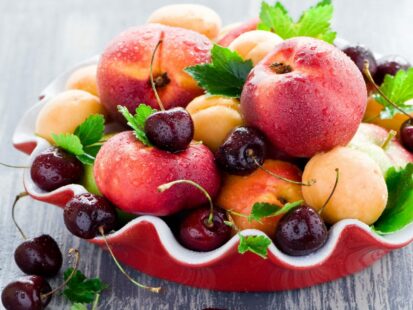
WHICH FRUITS ARE CONSIDERED STONE FRUITS?
‘Stone fruit’ is the general term used for some fruit of the Prunus species. In NSW, stone fruits grown include cherries, peaches, nectarines, plums, apricots and prunes. There is both temperate and low-chill stone fruit grown in NSW, and within each species there may be a number of varieties grown in a given area. Stone fruit season in Australia usually falls between November and May each year, which means there’s plenty of time to get stuck into the variety of stone fruit on offer each year. Not only are they delicious, they’re a rich source of vitamins, a good source of potassium and a great source of fibre.
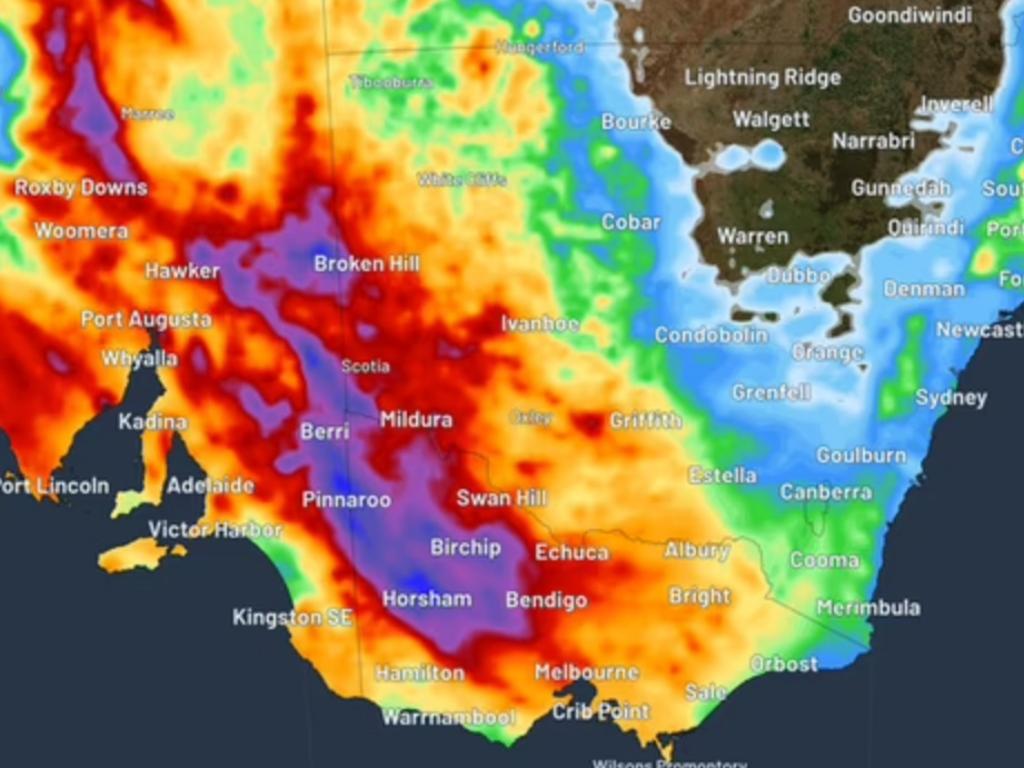
After months of dry conditions across much of Victoria and parts of southern New South Wales and South Australia, late-February and early-March rainfall delivered a dramatic change in seasonal conditions for many farming regions. For some growers, the rain marked the first meaningful break in up to seven months, bringing renewed optimism for the upcoming […]
Read More →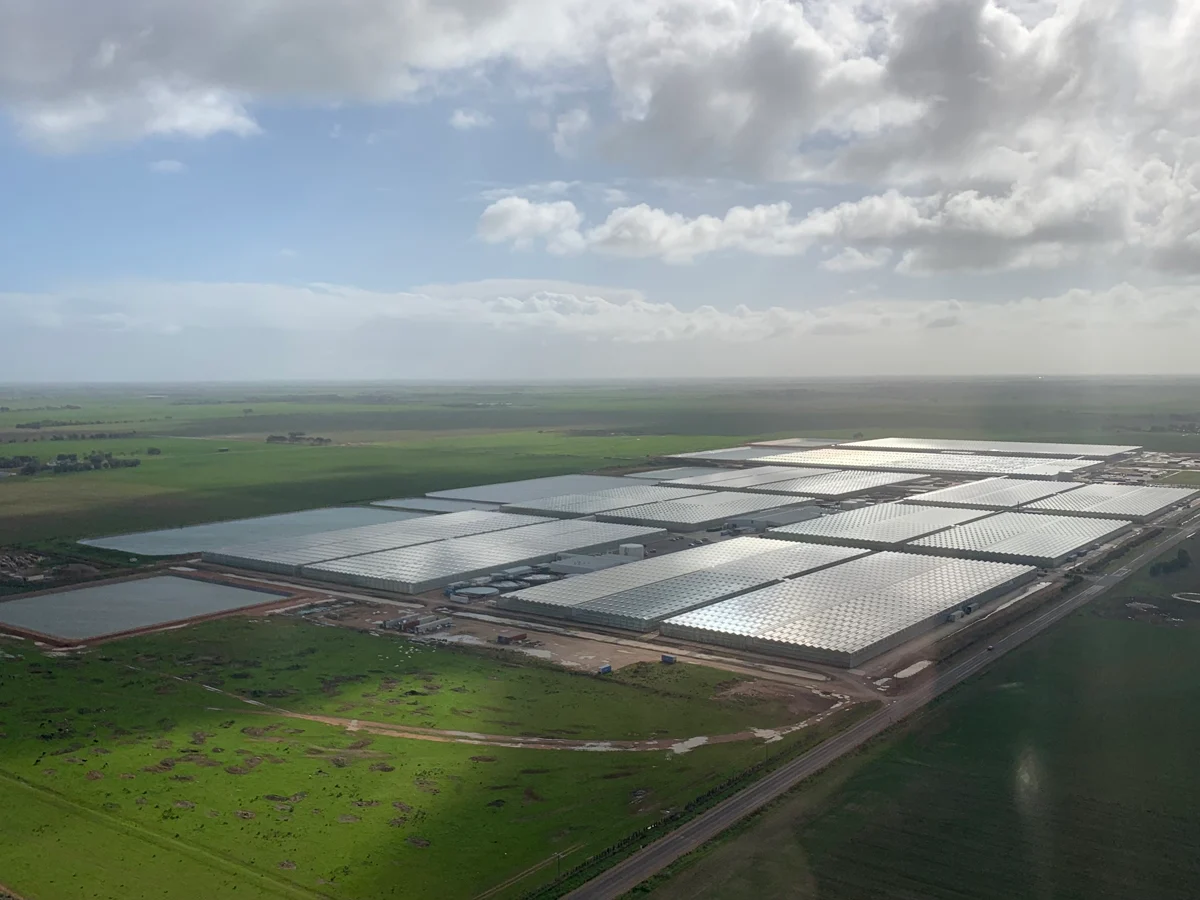
Australia’s protected cropping sector has reached another major milestone, with a $168 million acquisition of the country’s largest hydroponic glasshouse facility at Two Wells, South Australia. The purchase, led by Centuria Capital, highlights the growing appetite for agricultural assets as investors seek resilient, long-term opportunities tied to food security and high-value horticulture. Located approximately 50 […]
Read More →
Australia’s regional industries such as agriculture and horticulture rely on machinery that must run reliably, especially during high-intensity periods such as harvest, planting and peak processing. However, for years, farmers have faced costly delays, restricted access to diagnostic tools and limited repair options due to manufacturer-controlled repair systems. The national push for a Right to […]
Read More →