
June 25, 2024 • ALL SEASONS WORKFORCE AUSTRALIA
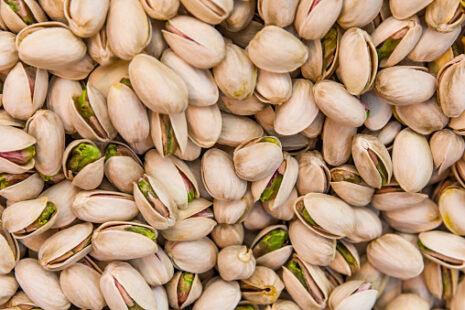
The past winter and summer season has provided all pistachio growers with an excellent reason to smile and celebrate. What would be considered an “off-year” crop cycle still managed to produced a huge volume of goods. Moreover, the demand and popularity of the ‘green nut’ also known as pistachios, is higher than ever. Not only is the demand domestic but it is also reaching international heights. At the present time, the majority of pistachios are grown along the Murray River. Moreover, approximately 20 growers are now harvesting this crop.
Looking back at the 2-year record, the industry growers are extremely confident that pistachios will continue to sell at an exponential rate. In fact, pistachios are an alternate-bearing crop, so one year they have a big crop and the next year they have a much lesser crop. This year the total Australian crop will be about 1,800 tonnes and that will be largely consumed in the domestic market. Additionally, the Loxton Research Centre is collaborating with different pistachio growers to ensure that the harvest season is fruitful.
THE STRUGGLE TO MEET DEMAND: PISTACHIO MARKET
Despite expanding the already existing orchards, growers are still not able to completely meet the growing demand for this green nut. In fact, the local demand is almost never met; about half of the nuts sold in Australia are imported. One of the main reasons for this growing demand is the awareness of health benefits. Since pistachios are extremely beneficial to one’s well being, they are being sold at a rapid rate. Moreover, they are one of the least oily nuts available in the market. Nevertheless, they contain a plethora of vitamins and minerals. As the pistachio nut has gained popularity many growers have started to expand their orchards and some new growers entered the industry, but growing nut-bearing trees does come with challenges.

A Legacy Carved in Sacrifice On 25 April each year, Australians and New Zealanders pause to honour those who served and sacrificed in military conflicts, particularly during the Gallipoli campaign of World War I. ANZAC Day is one of our most significant national occasions, marking the anniversary of the first major military action fought […]
Read More →
Why Poor Workforce Solutions Can Be a Costly Long Term Mistake Every business faces challenges, but the way these challenges are managed determines long term success. Imagine you’re on a long road trip, and you get a flat tyre. Instead of replacing it with an appropriate one, you opt for a space saving emergency […]
Read More →
As of January 2025, significant wage adjustments are set to take effect across various sectors in Australia, impacting industries such as horticulture, agriculture, large-scale solar (LSS), construction and meat processing. These changes are part of the Fair Work Commission’s (FWC) ongoing efforts to ensure fair compensation for workers nationwide. National Minimum Wage Increase Effective from […]
Read More →