
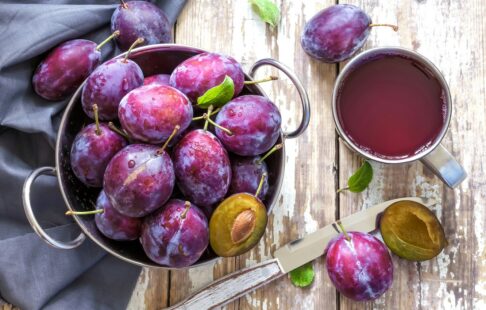
As the harvests in the province of Badajoz have begun, stone fruit from the Spanish area of Extremadura has begun to reach the markets. The campaign is starting 5 to 10 days late this year, depending on the production areas, due to a colder than typical end of winter and beginning of spring, while the unexpected rise in temperatures in May is hastening the ripening of the fruit in the field. “We started collecting the first nectarines two weeks ago, and we’re already picking peaches this week,” says Maximiliano González of Frutas Nene’s sales department in Valdecalzada, Badajoz. “We predict good nectarines and peaches volumes, and we are pleased with how sales are going thus far.”
Because there is less production in the northern part of Murcia, which generally overlaps with Badajoz and has been hit more by frost and hail, prices are starting higher than usual.” The harvest of plums, the company’s and Extremadura’s (which is Spain’s largest producer) principal product in terms of volume, began last week with the yellow-fleshed black variety Early Queen, with good pricing levels. “We anticipate a slightly lower output than previous season.” Due to the weather, there are also fewer plums in the remainder of the producing areas, such as Valencia, Murcia, Catalonia, and Aragon,” said Maximiliano Gonzalez.
“It appears that France and Italy will have less plums as well.” Yellow plum production will be reduced in general, particularly the Golde Globe, and while there isn’t much demand for them, pricing for other types is expected to be affected. The yield of the Back Splendor type, which we will shortly begin harvesting, appears to have decreased in Seville, whose season generally overlaps with ours.” “It’s worth noting that in Badajoz, the tendency of removing black plum plantings that are less valuable and generate some excess in July is still going on.
After suffering for more than ten seasons with plums, many growers are seeing better success with nectarines and flat peaches, thus more plums will likely be substituted with these products in the coming years. Variety that does not overlap in the harvest cycle and match consumer expectations are sought by the industry. Meanwhile, types like Black Splendor, yellow kinds in general, Fortuna, Leticia, Larry Ann, and Angeleno continue to thrive,” adds Maximiliano Gonzalez. Because of the lesser supply of apricots, peaches, and nectarines in general in Spain, growers and exporters believe the prospects for plums are better.
“Given the scarcity of stone fruit, large stores may see plums as a viable alternative. In the event of a supply shortage, shops may place a greater emphasis on plums in the summer fruit category. I am optimistic that prices will be higher and more stable this season, and that the curve will be flatter, with fewer price reductions in periods of more supply than in previous years, and an upward trend beginning in July.” However, it is important to remember that production costs have risen dramatically across the board, with increases in the cost of packing materials, gasoline, electricity, transportation, and labour.
Frutas Nene, like other enterprises in Extremadura, exports a portion of its plums to markets outside the EU, which has become increasingly challenging as container freight costs have risen. Container prices have more than tripled, making exporting to Latin America, the Middle East, and Asia much more expensive, while most of our customers in these regions appear to be prepared to pay more for the fruit for the time being.
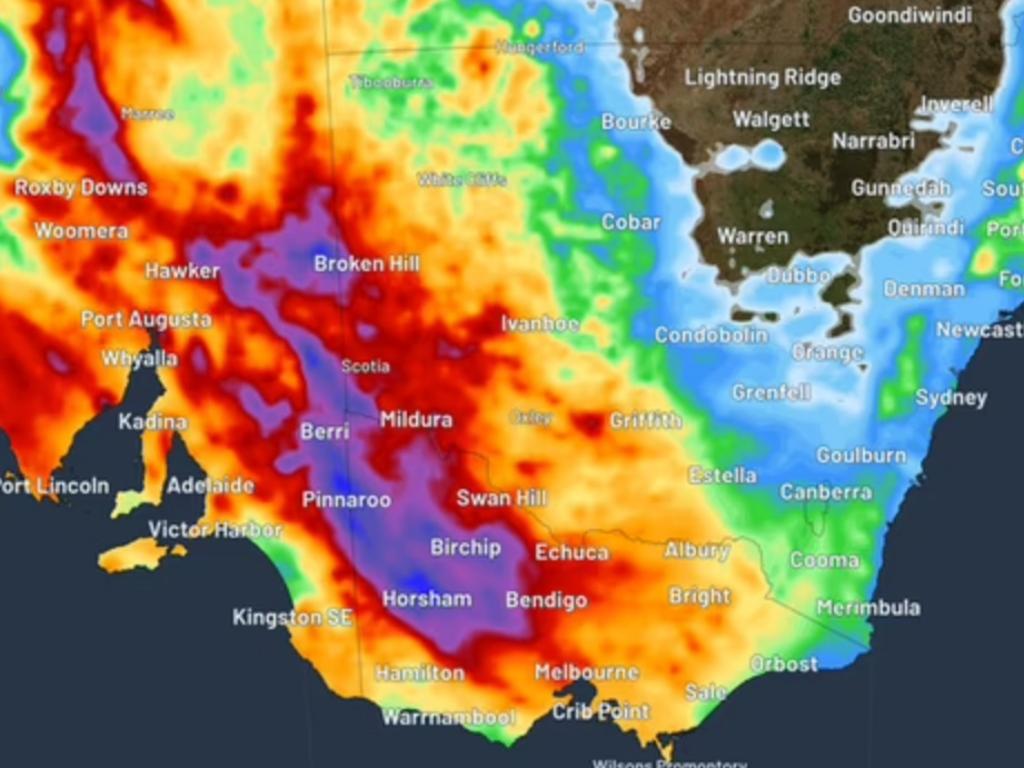
After months of dry conditions across much of Victoria and parts of southern New South Wales and South Australia, late-February and early-March rainfall delivered a dramatic change in seasonal conditions for many farming regions. For some growers, the rain marked the first meaningful break in up to seven months, bringing renewed optimism for the upcoming […]
Read More →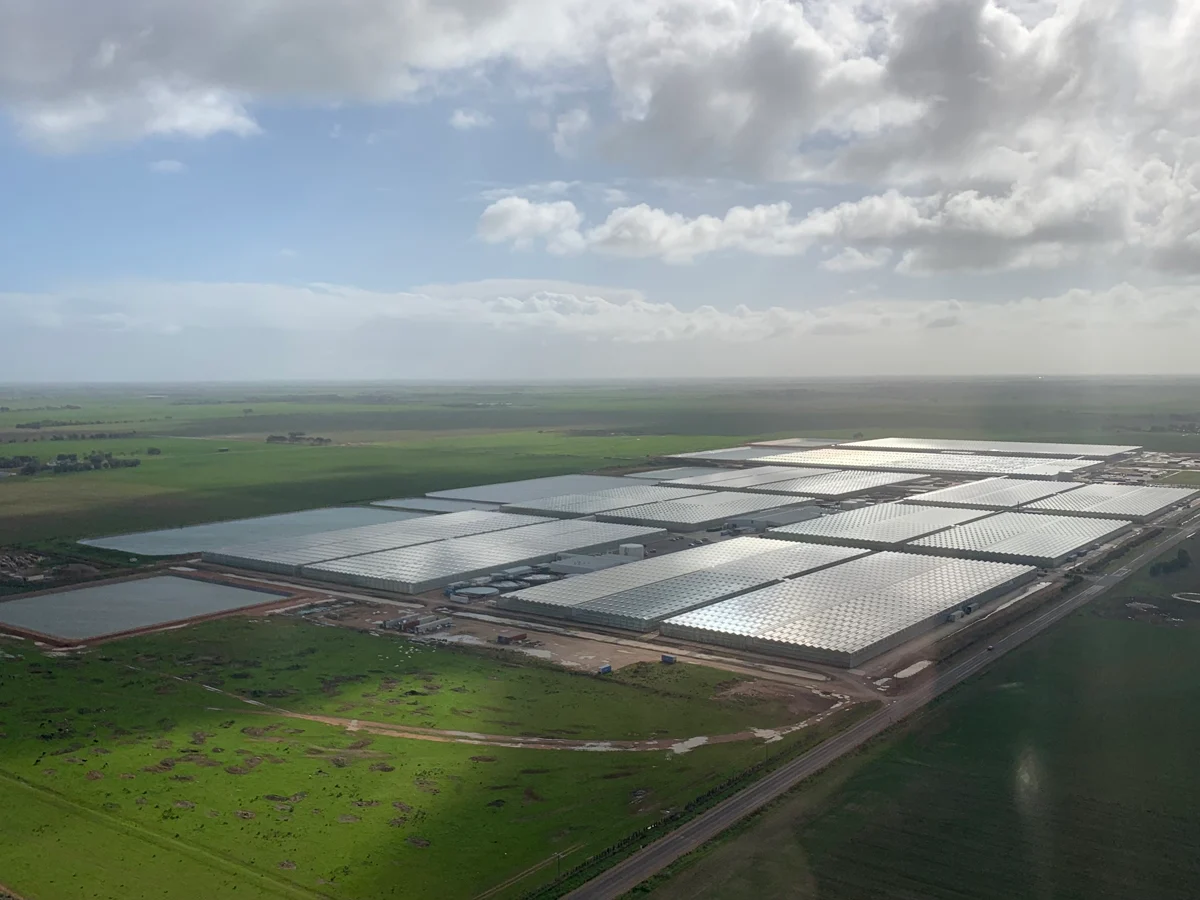
Australia’s protected cropping sector has reached another major milestone, with a $168 million acquisition of the country’s largest hydroponic glasshouse facility at Two Wells, South Australia. The purchase, led by Centuria Capital, highlights the growing appetite for agricultural assets as investors seek resilient, long-term opportunities tied to food security and high-value horticulture. Located approximately 50 […]
Read More →
Australia’s regional industries such as agriculture and horticulture rely on machinery that must run reliably, especially during high-intensity periods such as harvest, planting and peak processing. However, for years, farmers have faced costly delays, restricted access to diagnostic tools and limited repair options due to manufacturer-controlled repair systems. The national push for a Right to […]
Read More →