
July 24, 2024 • ALL SEASONS WORKFORCE AUSTRALIA
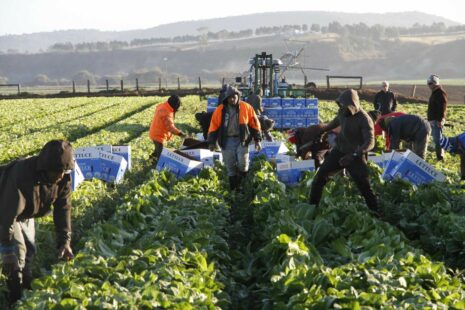
The ongoing, disastrous pandemic has negatively affected a lot of aspects in the world of agriculture. Currently, many overseas seasonal workers have been denied entry into New South Wales (NSW) due to strict border rules and regulations. Moreover, in a statement issued by the Health Minister’s office, it has been announced that labourers from Victoria will no longer be given a permit to enter NSW. However, it must be noted that these strict modifications do not affect the permanent residents. A labour shortage can be caused by a turn in economic conditions where there is a shortage of skilled workers for a given industry or overall job market. Labour shortages can also be a result of an influx of jobs as a new industry emerges or sees exceptional growth in a short time period. Since they are categorized as ‘critical service providers,’ they will be allowed to enter with their permit. These new rules only apply to those workers that are visa holders.
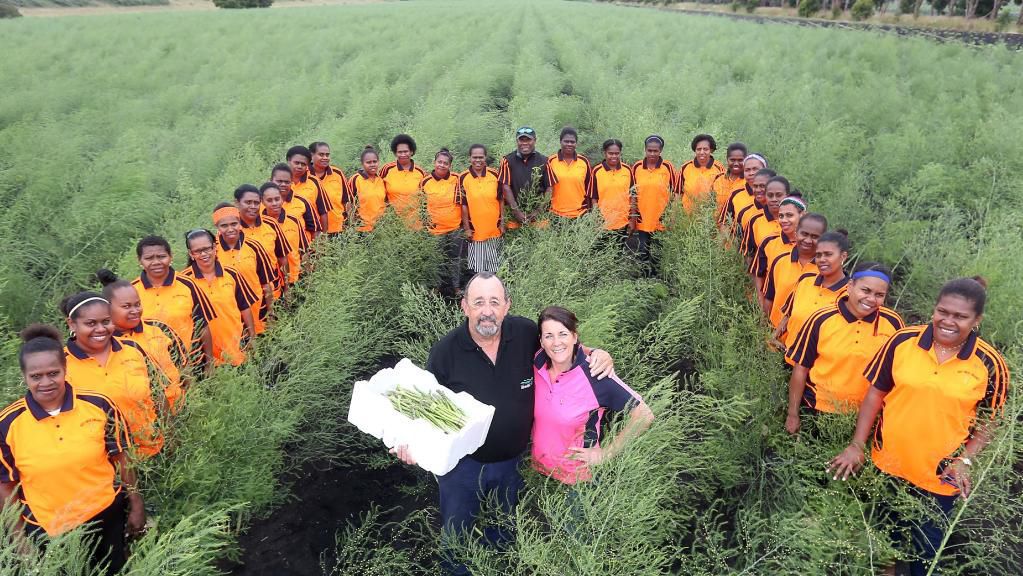
On the contrary, the Victoria Farmers Federation (VFF) has deemed this decision as a “failure of common sense.” They believe that this is not fair for those employees that hold a visa. While a labour shortage is a challenging problem, a labour surplus can be equally difficult to manage. This differs from a labour surplus on a company level, although it is essentially still an excess of available workers for the work that needs to be done. To this, the NSW Agriculture Minister has retorted that this decision was put into effect in order to keep the pandemic at bay. Many fruit growers have commented that this would mean that many fruits would be left to rot on trees as there are no workers to pick them. Hence, this debate is gaining a lot of heat in the horticultural domain.
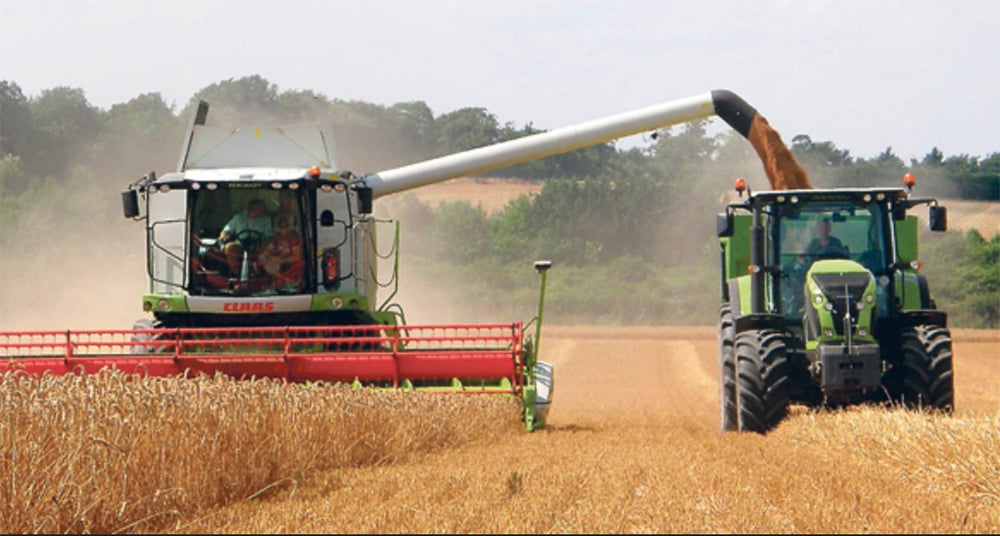
Australia’s grain industry is experiencing one of the strongest seasons in its history, with Western Australia leading a record breaking harvest across wheat, barley and other grains. New production data confirms that Australia is playing an increasingly critical role in stabilising global grain markets at a time of rising international demand and supply pressure. This […]
Read More →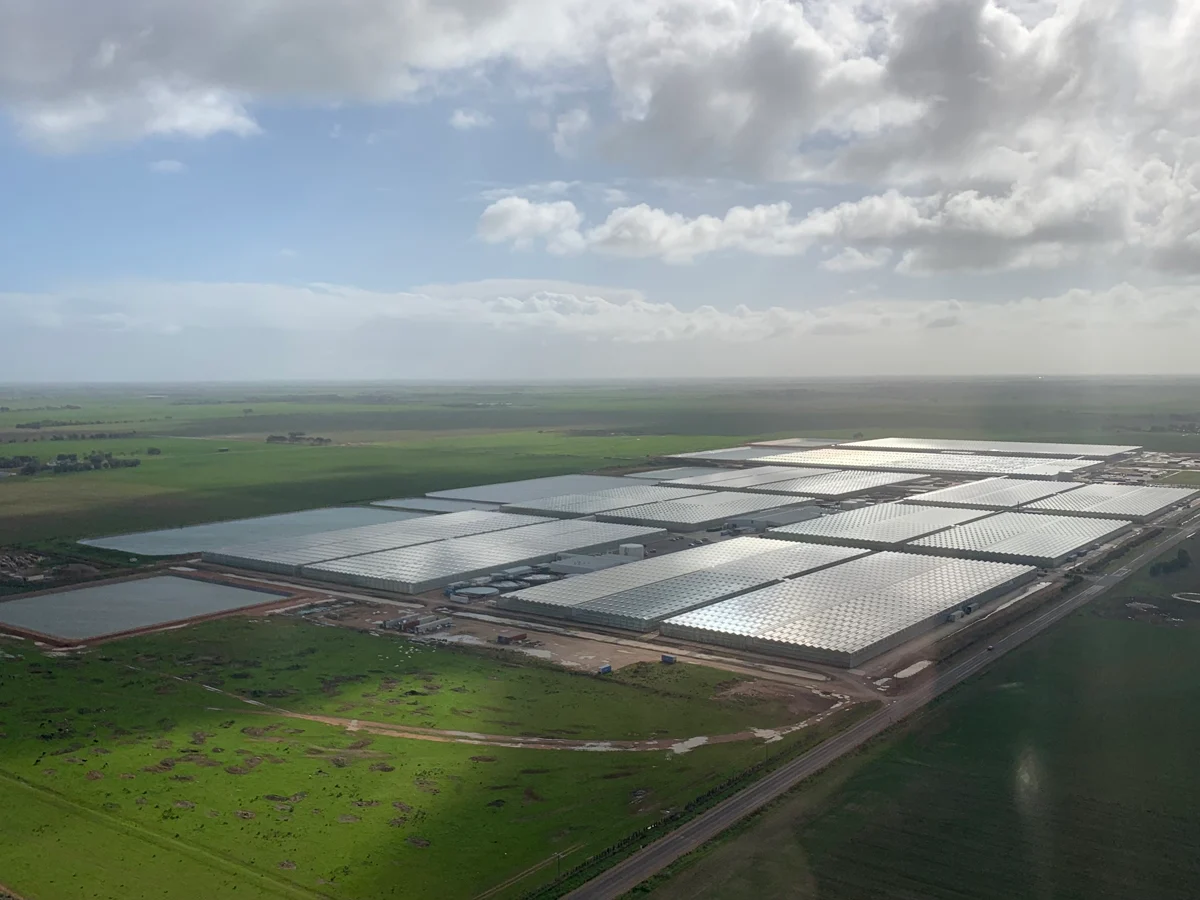
Australia’s protected cropping sector has reached another major milestone, with a $168 million acquisition of the country’s largest hydroponic glasshouse facility at Two Wells, South Australia. The purchase, led by Centuria Capital, highlights the growing appetite for agricultural assets as investors seek resilient, long-term opportunities tied to food security and high-value horticulture. Located approximately 50 […]
Read More →
Australia’s regional industries such as agriculture and horticulture rely on machinery that must run reliably, especially during high-intensity periods such as harvest, planting and peak processing. However, for years, farmers have faced costly delays, restricted access to diagnostic tools and limited repair options due to manufacturer-controlled repair systems. The national push for a Right to […]
Read More →