
Australia is a country that has a wide variety of nuts that are produced and then exported. Out of these nuts, chestnuts are a type that is favoured by the Australian citizens. Moreover, these nuts are produced in the south of Australia. The majority of the production occurs in Victoria. It is important to note that unlike the other variants of nuts, this production has a strong focus on the domestic market. Additionally, these chestnuts are sold in a shell form.
If the statistics of 2019 are considered:
The total value of cultivation was $7.8 million, whereas the wholesale value of supply rang in at $9.2 million.
There were approximately 1,050 tonnes of this nuts that were produced.
The supply recorded per capita was 43 grams. This figure was determined based on the volume that was supplied.
16% of Australians bought chestnuts as a part of their shopping experience.
supply chain of chestnuts in 2019
The major areas where these nuts were produced are in southern Australia. This is because chestnuts require a cooler climate to flourish. Moreover, the area where the majority of chestnuts were produced was in the northeast section of Victoria.
CHESTNUT PRODUCTION
These nuts have been a food source for thousands of years. They can be eaten raw, roasted, ground into flour, or mixed into pastries. They grow on trees in the genus Castanea, and many species in this group can live for an impressive 500 years or more.
There are four main species of chestnut tree: the Chinese, the Japanese chestnut, the European chestnut, and the American chestnut. The trees are native to many places around the world, but once had a much smaller growing area before people began to transplant them.
HARVEST BY STATE
If the production were to be segregated by the states in Australia, it could be acknowledged that Victoria was the prime area where these nuts were harvested. Moreover, an abundance of production can also be viewed in New South Wales. Lastly, South Australia and Tasmania produced approximately equal numbers of chestnuts throughout the year.
chestnut production by state
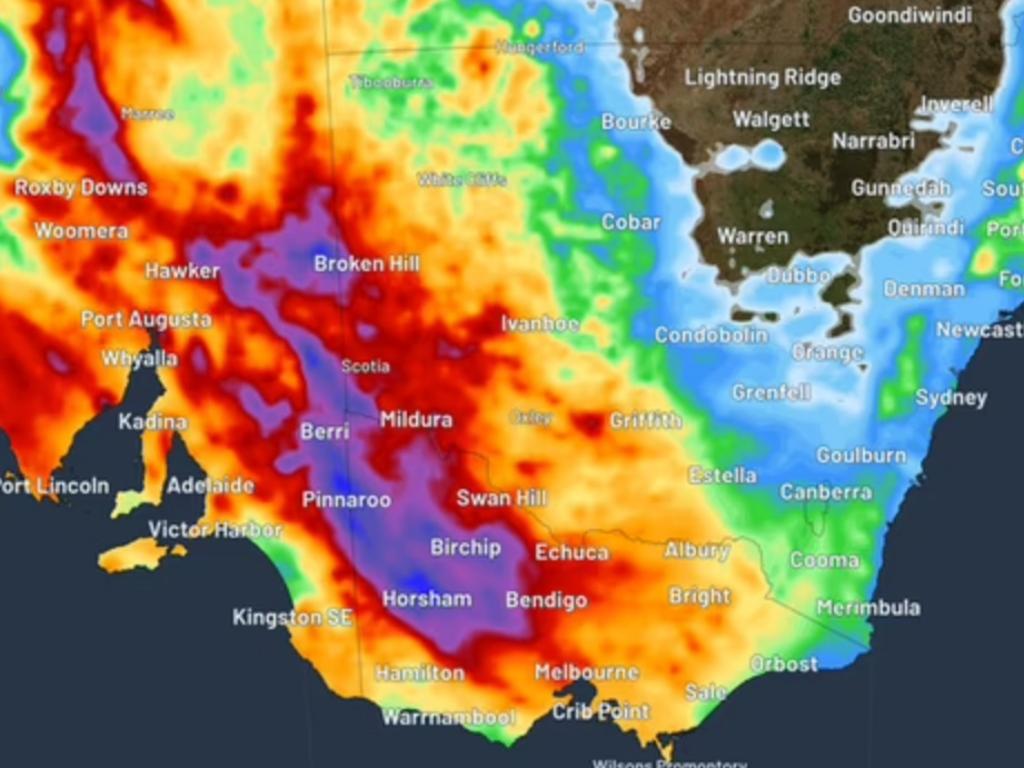
After months of dry conditions across much of Victoria and parts of southern New South Wales and South Australia, late-February and early-March rainfall delivered a dramatic change in seasonal conditions for many farming regions. For some growers, the rain marked the first meaningful break in up to seven months, bringing renewed optimism for the upcoming […]
Read More →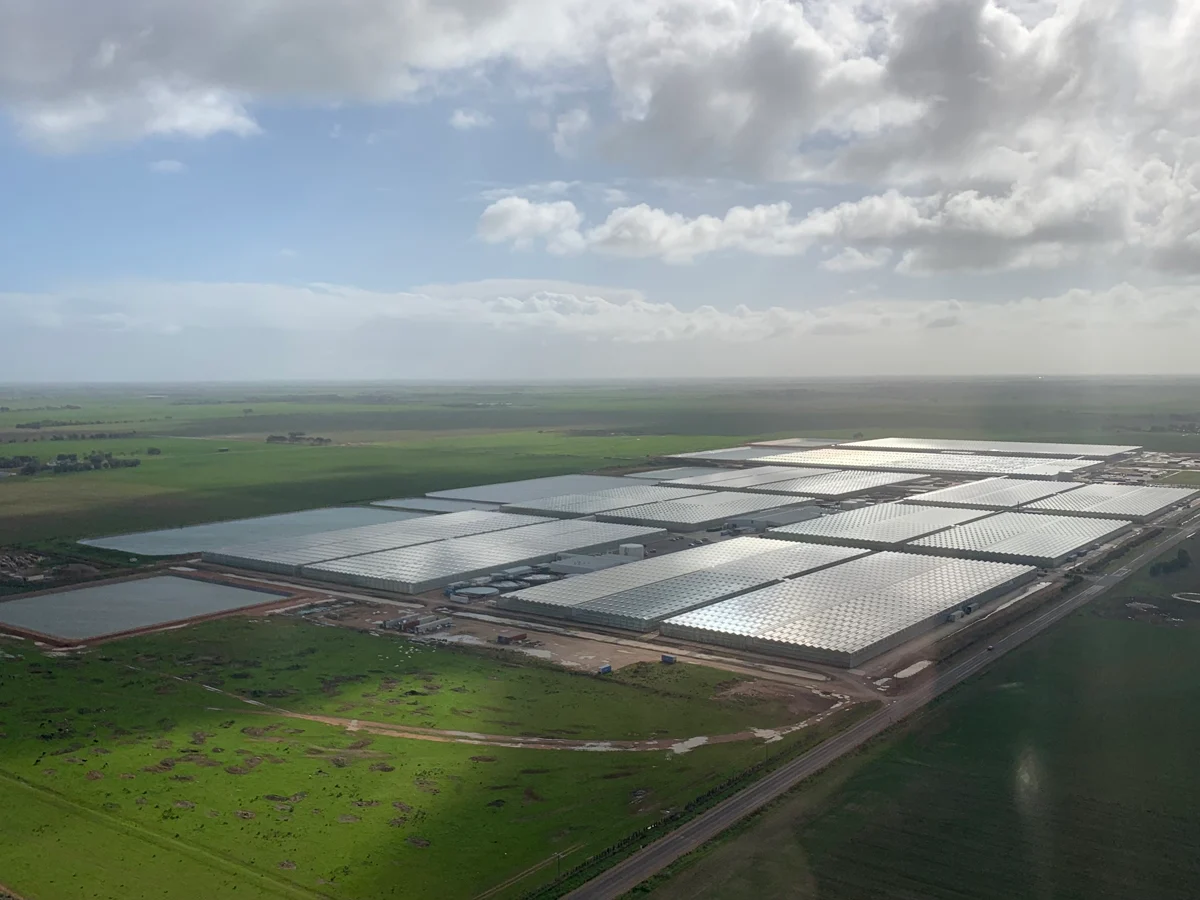
Australia’s protected cropping sector has reached another major milestone, with a $168 million acquisition of the country’s largest hydroponic glasshouse facility at Two Wells, South Australia. The purchase, led by Centuria Capital, highlights the growing appetite for agricultural assets as investors seek resilient, long-term opportunities tied to food security and high-value horticulture. Located approximately 50 […]
Read More →
Australia’s regional industries such as agriculture and horticulture rely on machinery that must run reliably, especially during high-intensity periods such as harvest, planting and peak processing. However, for years, farmers have faced costly delays, restricted access to diagnostic tools and limited repair options due to manufacturer-controlled repair systems. The national push for a Right to […]
Read More →